Magnetite Australia Blogs Author Articles List

Magnetite Australia

With energy prices rising across Australia, many households are bracing themselves for another costly winter. As heaters have been kicked into high gear and our shorter (very cold) days demand more artificial light, it's not uncommon to see a spike in electricity bills. But what if you could stay warm and save money?

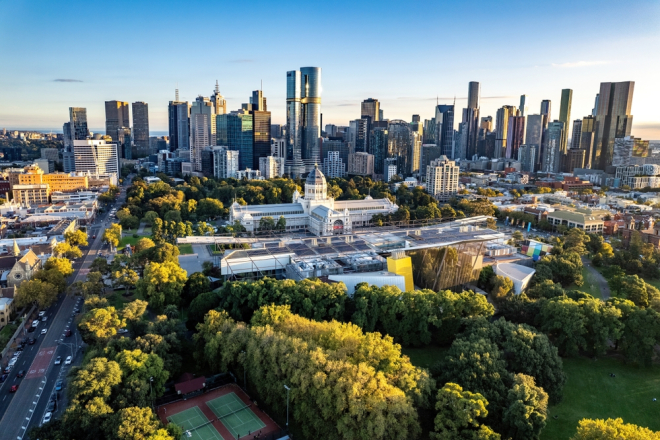
Three things Melbourne is known for is its vibrant culture, great coffee and weather that can’t make up its mind. One minute it’s sunny, the next it’s windy, wet or just bone-chilling cold. And oddly enough, many Melbourne homes feel colder inside than out, especially in winter. That makes keeping your home warm, dry and energy-efficient more of a challenge than you’d expect.
At Magnetite, we regularly hear from homeowners who struggle with draughts, temperature issue and rising energy bills especially during winter. So when one of our customers offered to share their experience trying retrofit double glazing in their Melbourne home, we knew their story could help others facing similar challenges.
Here’s what they noticed after one month of living with double glazed windows.
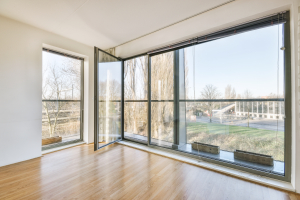
Retrofitting your windows is one of the smartest ways to improve your home’s comfort, without undergoing the cost or disruption of full window replacement. In Australia, where cold winters and hot, dry summers are part of life, energy efficiency and noise reduction are increasingly important to homeowners.
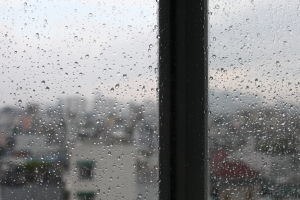
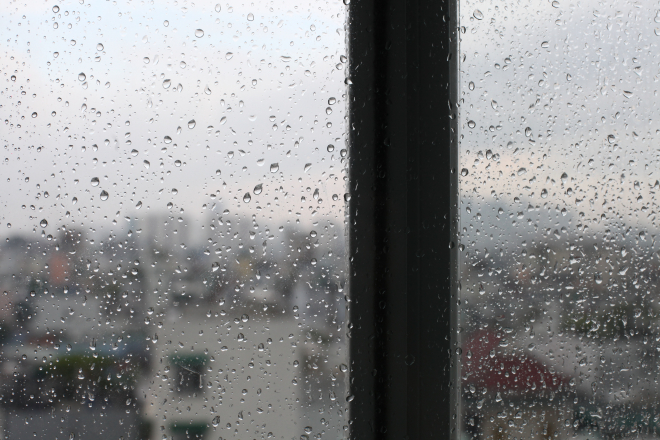
Adelaide winters may be relatively mild compared to other parts of the world but for many homeowners, the colder months still come with a familiar, yet frustrating problem—moisture build-up and condensation on windows. If you've noticed your windows fogging up in the mornings, or worse, dripping with water, you're not alone.
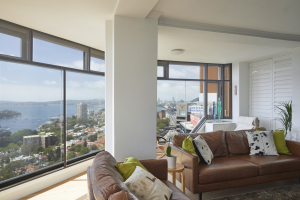
Investing in double glazing is a smart decision for homeowners looking to reduce noise, improve thermal comfort and energy efficiency. However, there are various types of double-glazed windows in the market and choosing the right product requires careful consideration.
Before making a purchase, it’s important to gather the right information to ask the right questions to ensure you’re getting a high-quality, long-lasting solution that meets your needs. We’ll cover the key questions to ask when buying double glazing, helping you make an informed choice.

Double-glazed windows have become a key element in modern homes, offering noise reduction, energy efficiency and improved all year-round comfort. However, one question many homeowners ask before investing in double glazing is: How long do double-glazed windows last?
The lifespan of double-glazed windows can vary depending on factors such as materials, installation quality, climate and maintenance. We break down how long double-glazing lasts, the signs of wear and tear and how you can extend the life of your windows for the best long-term value.

When it comes to managing the thermal performance of your home, particularly in a city like Adelaide with its hot summers and chilly winters, choosing the right materials is important. One such material making waves for its exceptional thermal benefits is optical grade acrylic. But what exactly is it, and how does it work to combat both heat and cold?

As summer approaches in the southern hemisphere, now’s the time to prep your home to handle the heat. Managing indoor temperatures can make a big difference in comfort, especially if your home has western-facing windows that attract the hot afternoon sun. To help keep your space cooler and more energy-efficient, there are a few smart strategies.
Here’s how to get your home summer-ready and stay comfortable all season long.

In growing cities like Melbourne and Sydney, construction noise pollution has become a familiar part of daily life. As urban areas expand and more homes and infrastructure are developed, the constant hum of drills, cranes and heavy machinery can lead to "construction fatigue." Whether it’s a new apartment complex being built next door or major roadworks in your suburb, construction noise can significantly affect your quality of life, productivity, and overall well-being.
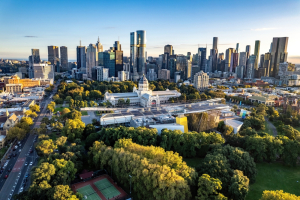
Living in the one of the ‘most liveable cities’ in the world has got many advantages. However, a vibrant place like Melbourne comes with its challenges too, and noise complaints are among the most common. From the honking of cars on Lygon Street to the noise of construction equipment in Docklands, unwanted sound is an increasing concern for residents and visitors. But what exactly is noise pollution, and how can we address it in urban city living?