
Window Tinting
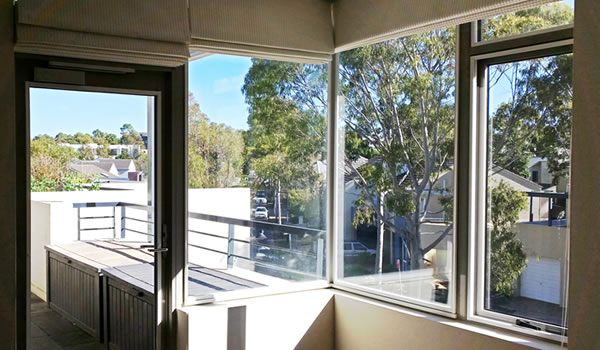
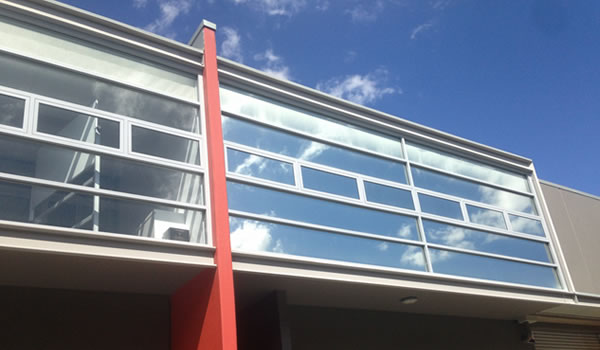
Western-facing windows can absorb a lot of heat in the afternoons, making your room feel hotter. One effective way to block this heat is by applying window tinting, such as Solartite, which reflects sunlight away from your windows and reduces heat build-up.
Window tinting can help cut down on your reliance on air conditioning, lowering energy bills in the process. Additionally, it can protect furniture and flooring from fading by blocking UV rays.
Add Insulation with Double-Glazing for Extra Comfort
To further reduce heat transfer, consider adding a secondary layer of insulation to your windows. For instance, secondary double-glazing solutions offer a way to improve the performance of your existing windows. This extra layer helps to keep consistent room temperature, making the space more comfortable all year round.
Double-glazing windows and doors not only insulate against extreme temperature but also reduce outside noise, which is an added benefit if your home is near busy streets. With both window tinting and double-glazing, you can make your home feel more comfortable, even in peak summer.
Block the Sun with Outdoor Shading Solutions
Outdoor shading is another effective way to keep heat from entering your home. Consider adding retractable awnings, outdoor blinds or shade sails to your windows for extra protection from the sun’s rays. Landscaping options like planting trees or growing climbing vines can also create natural shade over time, reducing indoor heat.
Inside, thick curtains or thermal blinds provide an added layer of insulation. Keeping these closed during the hottest part of the day helps keep indoor spaces cooler, reducing the strain on your air conditioning.
Upgrade Cooling Systems and Insulation for Lasting Comfort
Even with good window treatments and shading, a reliable cooling system is essential for those extra-hot days. This might be a good time to service your air conditioning or explore energy-efficient cooling options like ceiling fans. For those with ceiling fans, reversing the rotation will help circulate cool air more effectively.
Proper insulation in your walls and roof also makes a noticeable difference. Homes with good insulation keep cool air inside for longer, meaning your cooling systems don’t have to work as hard to maintain a comfortable temperature.
Minimise Indoor Heat Sources
Along with managing the external heat, reduce indoor heat sources to keep temperatures comfortable. On especially hot days, skip the oven or stovetop and opt for no-cook meals or BBQs outside. Switching to energy-efficient LED lighting also helps since traditional bulbs emit unnecessary heat.
Finally, sealing gaps around doors and windows prevents warm air from entering and cool air from escaping. Simple weather stripping and door seals are easy ways to improve insulation without major changes.
Preparing your home for the summer doesn’t require a complete overhaul—small, thoughtful adjustments can make a significant impact. By using strategies like window tinting to block out heat, double-glazing windows and doors to improve insulation, outdoor shadings and improving your cooling systems, you can make your home a cooler, more comfortable place to relax during Australia’s hottest months. These practical upgrades not only help you maintain a consistent indoor temperature but can also reduce your reliance on air conditioning, lowering energy costs and environmental impact. With these steps, you’ll be set for a summer that’s both comfortable and efficient.
If you're interested in learning more or want to book a free window assessment, reach out to the Magnetite team.