What is Construction Fatigue?
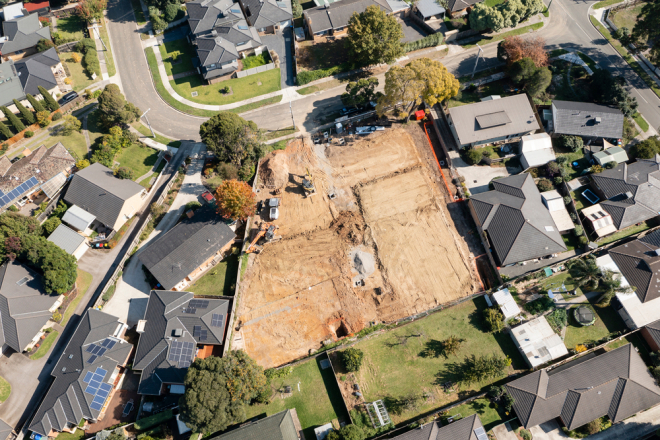
Construction fatigue is the stress, frustration and exhaustion that comes from constant exposure to the noise and disruption of nearby building sites.
While construction is crucial for city growth, the ongoing noise from machinery and power tools can significantly affect mental and physical health. Common issues include disturbed sleep, stress, and even hearing problems if the noise is excessive. For many, disrupted sleep leads to lower concentration, reduced productivity, and irritability. If you’re working from home, the constant noise can make focusing or relaxing a real challenge.
What Causes Construction Noise?
Noise from construction sites is often unavoidable due to the nature of the work. Common noise sources include:
- Heavy Machinery: Bulldozers, cranes and jackhammers are among the loudest culprits. Their operations, often in close proximity to residential areas, can generate significant noise.
- Demolition Work: Tearing down existing structures produces considerable noise as concrete, wood and metal are broken apart.
- Power Tools: Drills, saws and grinders, frequently used in construction, emit high-pitched sounds that can travel over long distances.
- Vehicles: Delivery trucks, cranes, and cement mixers constantly move in and out of construction zones, contributing to the overall noise level.
- Piling and Excavation: Foundation work and soil excavation create deep, rumbling noises that can be especially disruptive.
Understanding Noise Regulations
In Australia, noise regulations are in place to protect residents from excessive noise during certain times of day. These regulations vary depending on the state and local council. Generally, construction work is limited to specific hours, such as 7 a.m. to 6 p.m. on weekdays and reduced hours on weekends. However, larger projects may have permits to operate beyond these hours, especially for critical infrastructure or high-demand developments.
If construction noise exceeds acceptable limits or occurs outside regulated hours, residents have the right to file complaints with local councils or the Environmental Protection Authority (EPA). However, it’s essential to understand that some level of noise during working hours is considered lawful, and not all complaints may result in immediate action.
How to Reduce Construction Noise
While you may not be able to stop the construction, there are strategies you can use to reduce the impact of noise pollution on your daily life:
1. Soundproof Your Home
One of the most effective ways to reduce construction noise is to improve your home’s sound insulation. Consider the following options:
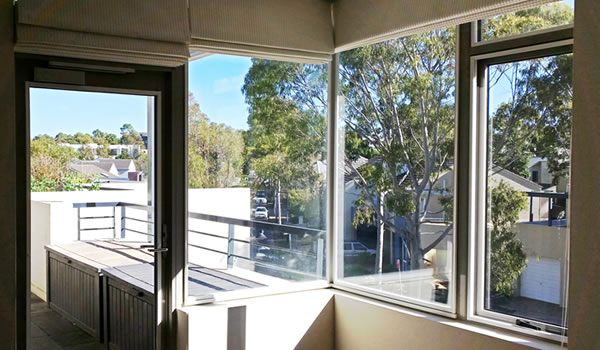
- Double Glazing Windows and Doors: Windows and doors are one of the biggest culprits for allowing external noise into your home. Retrofitting your windows and doors with double glazing solutions can significantly reduce the sound entering your living space. Solutions like Magnetite’s retrofit double-glazing system can block out up to 70% of outside noise.
- Heavy Curtains: Installing thick, soundproof curtains can further dampen sound and help create a more peaceful indoor environment.
- Acoustic Panels: These panels can be installed on walls or ceilings to absorb sound, making your home quieter and more comfortable.
2. Use White Noise or Noise-Cancelling Devices
White noise machines or apps can be useful in masking construction sounds by creating a consistent, calming background noise. Noise-cancelling headphones are another great option, particularly if you’re trying to work or rest during construction hours.
3. Create a Noise-Free Space
If possible, designate a part of your home as a noise-free sanctuary. This could be a room located far from the construction site where you can relax, work or sleep without constant noise interruption. Adding soft furnishings like carpets, cushions and wall hangings can also help reduce sound reverberation in the room.
4. Plan Your Day Around the Noise
If you know the construction will be loudest during certain times, plan your day accordingly. Schedule errands or work outside the home during peak noise periods or use the quiet hours in the early morning or evening to relax.
5. Communicate with the Builders
If construction is taking place near your home, don’t hesitate to reach out to the builders or site manager. Understanding their schedule can help you plan your days, and if there are specific concerns—such as excessive noise outside regulated hours—communicating with them directly might prompt them to adjust their practices.
6. File a Noise Complaint
If the noise becomes unbearable and violates local noise regulations, you can file a complaint with your local council or the EPA. Provide details of the noise, the time it occurs, and how it’s impacting your life. While this may not offer an immediate solution, it can lead to investigations and possible adjustments to the construction schedule.
Coping with the Psychological Effects
Construction noise can be mentally exhausting, especially if it’s ongoing for months or even years. Taking care of your mental health during this time is crucial. Here are some strategies:
- Practice Relaxation Techniques: Meditation, deep breathing or yoga can help reduce the stress and tension caused by noise.
- Spend Time in Quiet Areas: Whether it’s a nearby park, library or a friend’s house, find a quiet space where you can escape the noise for a while each day.
- Engage in Relaxing Activities: Listening to music, reading or engaging in a hobby can help divert your attention from the noise and reduce its emotional impact.
Living near construction sites can be frustrating, but it’s possible to minimise the effects of noise pollution. By taking steps to soundproof windows and doors, using noise-cancelling devices, and communicating with builders, you can manage construction fatigue more effectively. Above all, remember to take care of your mental well-being during these disruptions and seek out quiet spaces when needed.
If you’d like to know about our double glazed window solutions, speak to the Magnetite expert near you.