What is Noise Pollution?
Noise pollution refers to disruptive or harmful sounds that interfere with normal living conditions and health. It includes sounds from transportation, construction and even everyday activities like neighbourhood parties, backyard footy practices etc. that create excessive noise levels. The major sources of noise pollution include:
- Traffic Noise: High vehicle density and road networks such as Punt Road and the Tullamarine Freeway.
- Public Transport: Trains, trams and buses that add to the city’s noise.
- Construction Activities: Ongoing urban development in areas like Southbank and Collingwood, creating noise during early mornings and late evenings.
- Recreational Noise: Nightlife spots around the CBD and St Kilda contribute significantly to elevated noise levels.
The Impact of Noise Pollution on Health and Well-Being
Noise pollution in Melbourne doesn’t just interrupt peace and quiet—it has tangible effects on human health. Prolonged exposure can cause stress, anxiety and even contribute to cardiovascular issues. For children, noise can hinder learning and development, while adults may experience sleep disruptions and decreased productivity.
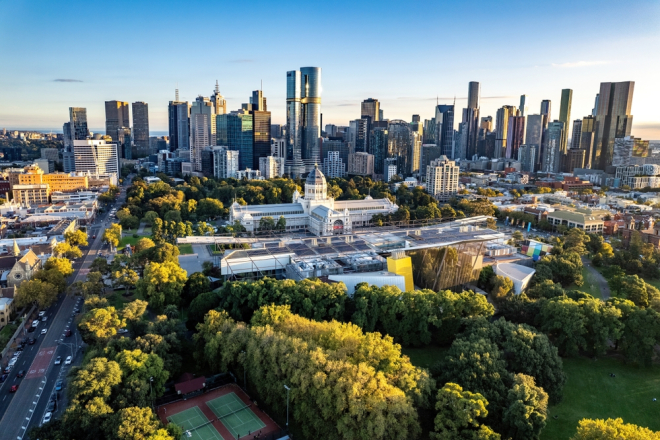
Wildlife in Melbourne’s green spaces, like the Royal Botanic Gardens and Yarra Bend Park, are also impacted by noise pollution. Animals rely on natural sounds for communication and survival, and excessive noise disrupts these crucial behaviours, potentially driving species away from urban areas.
How to Minimise Noise Pollution in Melbourne
Reducing noise pollution involves both personal actions and community initiatives. Individuals can limit noise by lowering volumes and using soundproofing solutions. On a broader scale, urban planning, regulations, and technology play key roles in addressing excessive noise. Collaboration is essential for creating a quieter environment. Below are some effective strategies to help curb this urban issue:
1. Urban Planning and Zoning
Effective urban planning can significantly reduce noise levels. Establishing noise barriers along major highways and using zoning laws to separate industrial and residential areas can help. Melbourne City Council can designate more “quiet zones” in residential neighbourhoods and place stricter limits on construction hours.
2. Adopting Soundproofing Solutions like Magnetite
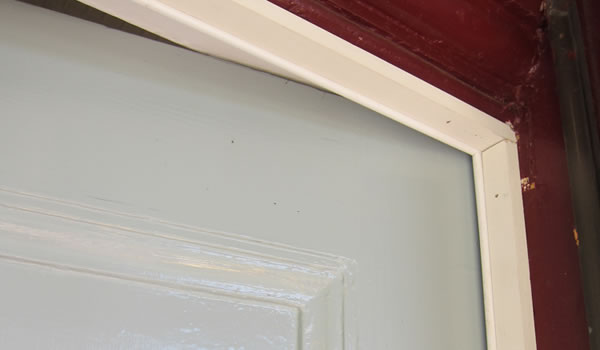
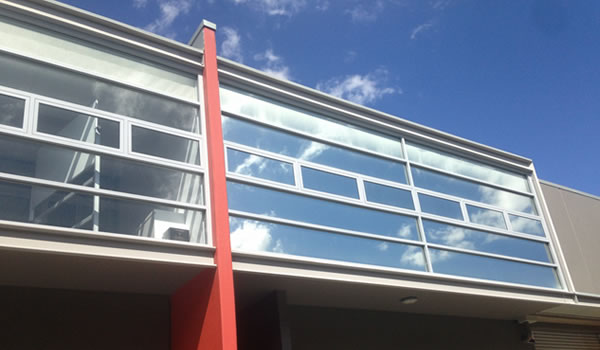
For homeowners and businesses looking to reduce indoor noise levels through windows and doors, companies like Magnetite offers innovative solutions. Magnetite’s retrofit double glazing system is designed to reduce noise through windows by up to 70%, creating a more peaceful indoor environment. The system works by adding a secondary panel of optical-grade acrylic to existing windows, allowing a maximum air cavity between the systems to optimise the noise reduction. This windows soundproofing solution is ideal for existing homes or offices near busy roads, construction sites or recreational areas.
Unlike traditional double-glazing windows, Magnetite’s window glazing solution does not require replacing existing windows, making it a cost-effective option for Melbourne’s heritage property where maintaining the aesthetic is crucial. By installing Magnetite’s soundproofing windows system, residents can enjoy a quieter living space, free from the constant hum of traffic or outdoor disturbances.
3 Quieter Public Transport and Infrastructure
Melbourne’s extensive public transport network contributes significantly to urban noise. Transitioning to electric buses and trams can reduce both noise and air pollution. Introducing quieter rail tracks and noise barriers at busy interchanges like Southern Cross Station can also help lighten the impact on nearby residents.
4. Promoting Awareness and Behavioural Changes
Raising awareness about the effects of noise pollution can empower residents to take action. Lowering the volume of music, limiting outdoor machinery use, and opting for quiet alternatives in personal and professional settings can make a collective difference.
5. Enhancing Green Spaces
Green spaces, such as the Royal Park and Merri Creek Reserve, act as natural sound buffers. Investing in more green spaces, tree planting initiatives, and creating community gardens not only beautifies the city but also absorbs and reduces urban noise.
Technological and Policy Interventions
Melbourne’s city planners and policymakers play a crucial role in tackling noise pollution. Setting construction noise limits during peak hours, tightening noise regulations, and promoting quieter technologies are key initiatives. Noise monitoring devices can pinpoint the noisiest spots, making it easier to implement targeted solutions.
While Melbourne’s energy and liveliness make it unique, excessive noise can affect residents’ quality of life. By integrating windows soundproofing solutions like Magnetite’s retrofit double glazing, improving urban planning, and spreading awareness, we can create a quieter, more liveable city for everyone.
If you’d like to know about our double glazed window solutions, speak to the Magnetite Melbourne team.