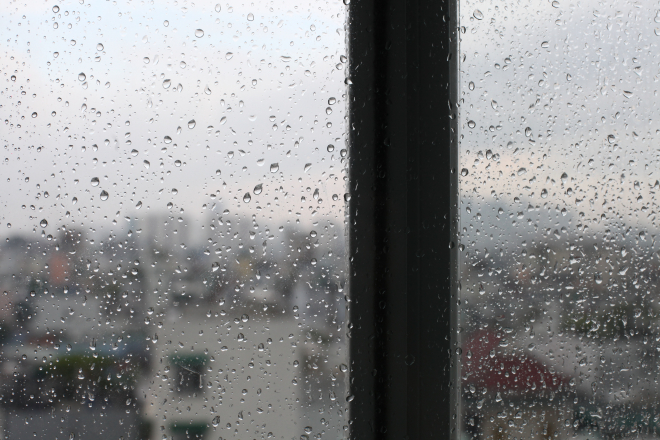
This moisture might seem harmless at first, but if left longer, it can lead to mould growth, peeling paint, warped timber and even damage to your walls and furnishings. So, how can you manage the moisture around your home during Adelaide’s winter?
Here’s a breakdown on why moisture or condensation forms, why it’s a concern and most importantly, how to prevent it without replacing your existing windows.
What Causes Moisture on Windows in Winter?
Moisture on windows is most often caused by condensation, which happens when warm, moist air inside your home hits a cold surface, such as glass. As the warm air cools down quickly on contact with the glass, it releases water droplets.
In Adelaide winters, nights are cool and often damp. When we turn on the heater to stay warm, we create an indoor environment that’s much warmer and more humid than outside. Combine this with older, single-glazed windows that offer little insulation, and you have the perfect recipe for condensation.
Everyday activities that can increase indoor moisture include:
- Cooking without lids or rangehoods
- Showering without ventilation
- Drying clothes indoors
- Using unfluted gas heaters
- Even breathing (especially in tightly sealed homes)
Why Is Window Condensation a Problem?
Occasional condensation might not raise alarm bells, but when it happens consistently, it can lead to a range of problems:
1. Mould and Mildew
Moisture creates a breeding ground for mould and mildew, which not only affects your walls and windows but can also trigger respiratory issues and allergies.
2. Damage to Window Frames and Walls
Timber frames are especially susceptible to water damage, swelling, rotting and cracking over time. Moisture can also seep into wall cavities, damaging insulation and causing bubbling or peeling paint.
3. Reduced Indoor Comfort
Moisture-laden air feels colder and more uncomfortable. It also makes your heater work harder to maintain a steady temperature, increasing energy use and utility bills.
How to Prevent Moisture Build-Up on Your Windows
Now that we understand the cause and the consequences, let’s look at solutions to keep your windows clear and your home healthy.
1. Improve Ventilation
Good airflow is essential to reduce humidity indoors. This is especially important in winter when we tend to keep our homes tightly sealed to keep the cold out.
- Open windows briefly each day to let fresh air in and moisture out.
- Use exhaust fans in the bathroom and kitchen.
- Vent your dryer to the outside.
- Consider trickle vents for continuous background ventilation.
2. Control Indoor Humidity
Excessive humidity inside the home is one of the main causes of condensation. Consider using:
- A dehumidifier, especially in bedrooms and living areas.
- Moisture absorbers for small, enclosed spaces.
- Humidity sensors or smart thermostats to monitor and regulate moisture levels.
Aim to keep indoor humidity between 30% and 50%.
3. Reduce Moisture-Generating Activities
Modify how you use your home during the winter:
- Use lids while cooking and turn on rangehoods.
- Shower with the fan running and leave it on for 10–15 minutes after.
- Avoid drying clothes indoors or use a clothes dryer that vents to the outside.
- Switch from gas heaters to reverse cycle systems, which don’t emit moisture.
4. Increase the Surface Temperature of Windows
The colder your window glass, the more likely it is to attract condensation. One of the most effective ways to combat this is by increasing the surface temperature of your window glass—which brings us to glazing.
5. Upgrade to Retrofit Double Glazing
While replacing your windows might not always be a realistic or affordable option, Magnetite’s retrofit double glazing system offers a smarter, more cost-effective solution—and it’s ideal for Adelaide’s winter climate.
How it works:
Magnetite adds a secondary glazing system to your existing windowsill, allowing an appropriate air cavity that acts as a powerful thermal barrier. This keeps the interior pane of glass warmer, which prevents condensation from forming.
Why it’s effective for winter moisture control:
- Reduces heat loss, keeping indoor temperature warmer during winter.
- Eliminates cold draughts that drop air temperature and contribute to condensation.
- Maintains the appearance of your existing windows—great for character or heritage homes.
- Improves both thermal insulation and soundproofing, making your home quieter and more comfortable year-round.
Whether you live in an apartment or a classic period house in the Adelaide Hills or inner suburbs, our team of local experts can assess your windows and recommend a secondary glazing solution that suit your needs either for thermal or noise insulation.
Magnetite’s system is backed by independent testing from the Window Energy Rating Scheme (WERS) and has helped countless homeowners across South Australia to reduce condensation, heat loss and noise pollution—without replacing the existing window.
Winter window moisture might be common, but it doesn’t have to be a problem you live with. By understanding the causes of condensation and taking proactive steps like improving ventilation, managing indoor humidity, and upgrading to retrofit double glazing, you can enjoy a warmer, drier, and more energy-efficient home this winter.
If you’re in Adelaide and tired of wiping down wet windows each morning, let Magnetite Adelaide help. Book your free in-home assessment and discover how easy it is to eliminate window condensation.