But when it comes to double glazing, it’s not a one-size-fits-all solution. In fact, there are two common approaches to window retrofitting on the market today. Each method offers unique benefits and suits different types of homes, window frames and performance goals.
Here’s what you need to know if you’re comparing retrofit options and want to make an informed choice.
Understanding the Two Retrofit Double Glazing Methods
1. Secondary Glazing (Used by Magnetite)
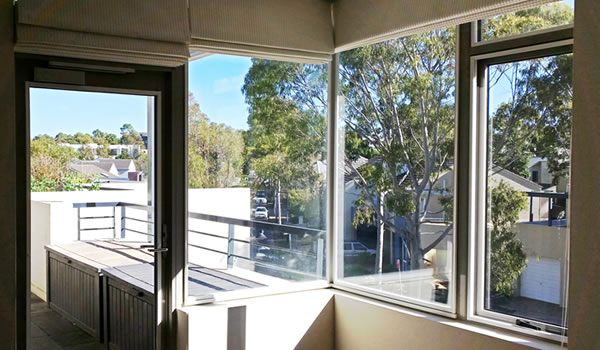
This method involves adding a new set of windows to the inside of your existing windowsill, allowing air cavity between the two windows. The air cavity between the original window and the new secondary window acts as a barrier to improve both thermal and acoustic windows insulation.
Because the existing window is left intact, this solution is perfect for homeowners who are unable to replace or want to preserve their existing windows especially in heritage homes and strata properties.
2. In-Frame Glass Replacement with IGUs
The second approach involves removing the original single-pane glass and replacing it with an insulated glass unit (IGU), a sealed unit of two glass panes, sometimes filled with argon gas. This method may require a modification to the original window frame, usually timber, to accommodate the thicker double-glazed unit.
It’s a more traditional approach that replicates the look and function of modern double glazing and it tends to focus primarily on thermal performance.
Thermal Comfort vs. Acoustic Windows Insulation
While both systems offer improved insulation, the results differ depending on the method and material.
- Secondary glazing can create an air gap that is often wider than standard IGUs. Combined with the use of optical-grade acrylic (which transmits less sound than glass), this wider cavity significantly improves noise reduction, making it ideal for homes in busy suburbs, near airports or close to construction zones.
- IGU replacement offers thermal performance by upgrading the existing glass itself. However, since both panes are glass and the cavity is typically smaller, the acoustic benefits may be more modest particularly if the windows are small or tightly fitted.
Window Type Matters
A key difference between the two methods is the type of window frame they work best with.
- Secondary glazing can be applied to almost all types of windows including timber, aluminium, steel or even sliding and sash windows. It’s also suitable for architecturally sensitive homes or strata properties where window replacement is not permitted or practical.
- IGU retrofits may require existing frame to be modified, sometimes extensively, to hold the thicker glass unit. This limits compatibility and may not be an option for metal-framed or heritage windows without significant alterations.
Aesthetic and Structural Considerations
Because secondary glazing is installed on the interior of the window reveal, it preserves the external appearance of the home, especially important in character homes where council guidelines or building covenants are in place.
On the other hand, the IGU method alters the original frame and replaces the visible glass. While this can result in a “cleaner” look from the inside, it could also change the proportions or appearance of traditional window designs.
Cost and Installation Time
In most cases, retrofit double glazing is more cost-effective than replacing single-pane glass with IGUs. It also offers faster, less intrusive installation, often completed in a matter of hours per window, with minimal mess or disruption to your home.
In contrast, IGU installation can involve routing timber, reglazing and sealing, all of which add labour and material costs.
A Case Study
We’ve seen firsthand how homeowners across Australia make decisions based on their priorities. Some opt for IGU retrofits when thermal insulation in timber windows is their main focus. Secondary glazing provides enhanced acoustic insulation and energy efficiency, making it ideal for homeowners in busy areas or along main roads. It’s also versatile and easy to install.
One homeowner in eastern Adelaide wanted to reduce their heating bills in winter but was also struggling with early-morning traffic noise. Their home featured aluminium sliding windows, so an IGU retrofit wasn’t feasible. Our team installed Magnetite’s retrofit double glazing and the results were immediate: quieter mornings, warmer rooms and lower energy use, all without changing the look of the windows.
What’s the Best Retrofit Option for You?
Ask yourself these questions to determine the best fit:
- Do I want to reduce noise as well as heat loss?
- What type of window frames do I have—timber, aluminium or steel?
- Am I trying to preserve the appearance of my home’s façade?
- Is this a heritage-listed or strata-regulated property?
- Do I want a faster, more affordable installation process?
If your windows are timber-framed and you’re primarily after thermal comfort, an in-frame IGU upgrade may be worth exploring. But if acoustic comfort, versatility and non-invasive installation are high on your list, Magnetite’s secondary glazing system is hard to beat.
There’s more than one way to improve the performance of your windows, but knowing the pros and cons of each system can help you make the right call for your home. Whether you're trying to stay warm in winter, cool in summer or block out the constant hum of city life, double glazing offers real benefits but the method matters.
At Magnetite, we offer a smarter, more flexible solution that’s tailored to your needs, your window type and your lifestyle. And with our retrofit double glazing, you get comfort, energy savings and peace and quiet, all without replacing your windows.
Book a free in-home assessment today and see why thousands of Australians trust Magnetite for smarter window insulation.