
Below is a practical guide tailored to Sydney homes - terraces, apartments and family houses alike.
Why Sydney Homes Overheat
Low-angle western sun
From about 2pm, the sun hits west-facing windows at a harsh angle. Large panes act like solar collectors, soaking up heat that lingers into the evening.
Urban heat island
Dense streetscapes store heat. Brick, concrete and dark roofs re-radiate warmth after sunset, so homes cool more slowly.
Humidity + sea breezes
Onshore winds can feel cooling outside but humid air makes interiors muggy and slow to shed heat.
Mixed building stock
Terraces with single glazing and minimal eaves, mid-rise apartments with big sliders and older fibro or brick homes often lack effective shading and insulation.
Step 1: Stop Heat Before It Hits the Window
External shading does the heavy lifting. Blocking sun outside is the most effective way to reduce heat gain.
- Awnings or external blinds: Ideal for west and north elevations. Retractable options let you adapt through the seasons.
- Fixed shade: Eaves, pergolas, or shade sails on patios and balconies.
- Vegetation: Deciduous vines or trees shade in summer, allow winter sun in.
- Screens: Perforated or louvered screens provide shade while preserving airflow and views.
Tip: Prioritise the largest west-facing panes first. That one improvement often delivers the biggest comfort jump.
Step 2: Use Window Films to Cut Glare and Radiant Heat
Even with shading, some sun gets through. Solar control window film (like Magnetite’s Solartite) helps by reducing solar heat gain and glare while blocking UV that fades floors and furniture. It’s a low-disruption upgrade for harsh exposures, especially in apartments where external shading isn’t possible.
- Choose films with high visible light transmission if you want a clear look.
- Target west and north glass, and any glass that reflects heat back into bedrooms at night.
Step 3: Seal the Leaks that Undermine Cooling
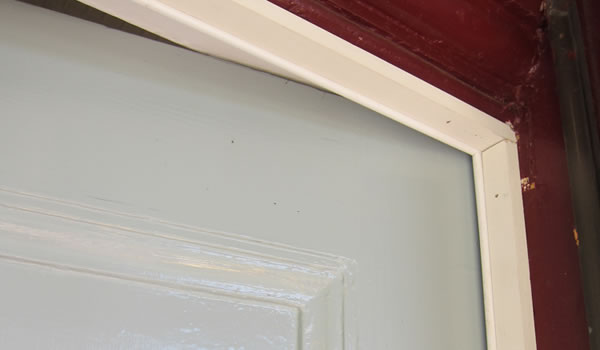
Hot air sneaks in through gaps around sashes, sliders and doors. Sealing is simple and cost-effective.
- Weather seals: Fit compression or brush seals on operable windows and doors.
- Door sweeps: Stop warm air and dust at the threshold.
- Small penetrations: Letterboxes, exhausts, pet doors - add covers or baffles to reduce leakage.
You’ll feel fewer draughts, your AC won’t work as hard and rooms will hold temperature longer into the evening.
Step 4: Upgrade the Glass Without Replacing Windows
Single panes windows transmit heat and then radiate it back into the room. Double glazing windows adds a second barrier that slowing downg the heat transfer. You can do this two ways:
Full replacement
New frames with insulated glass units. Best for comprehensive renovations but more costly and disruptive.
Retrofit double glazing windows
A secondary panel fitted to the inside of your existing window sill, creating a sealed air gap. It’s faster, often more affordable, strata-friendly and ideal for terraces and apartments where external changes are limited. Besides heat, retrofit double glazing window systems help with unwanted external noise (traffic, aircraft, entertainment precincts).Balanced take: External shading blocks the most heat; a double glazing window reduces what remains and stops the glass from radiating warmth into your room later. Together they work brilliantly in Sydney.
Step 5: Ventilate With Intention (Not Randomly)
Ventilation helps - when timed right.
- Night purging: On cooler nights, open windows on opposite sides to flush out warm air. Close up in the morning before temps climb.
- Stack effect: If you have upper windows or a stairwell, crack a high window to let hot air escape.
- Filter smoky days: On bushfire smoke or poor AQI days, keep windows shut, run air purifiers and rely on sealed envelopes and efficient cooling.
Step 6: Tune the Inside to Reduce Heat Stress
Little changes add up.
- Curtains with thermal lining: They cut radiant heat from the glass and help in winter too.
- Rugs with dense underlay: Reduce echo and a bit of heat reflection on hard floors.
- Ceiling fans: Set to summer mode (counter-clockwise) to create a gentle breeze that improves perceived comfort.
- Light colours: Interior blinds and curtains in lighter tones reflect heat better than dark fabrics.
Room-by-Room Priorities for Sydney
West-facing bedrooms
External shade if possible. Add solar film and lined curtains. Retrofit double glazing if the room holds heat into the night.
Living rooms with big sliders
Shade first. Seal tracks and frames. Consider film and retrofit glazing to stabilise temps and improve acoustic comfort during evening traffic or weekend events.
Home offices
Reduce afternoon glare and heat with film and blinds. Seal the window and door. Double glazing helps if your office faces a busy street.
Terraces and heritage homes
Retrofit solutions are discreet and usually avoid façade changes. Combine internal upgrades with clever shading in courtyards or light wells.
What Results Can You Expect?
Every home is different, but homeowners typically report:
- Lower afternoon peaks in west-facing rooms
- Less overnight stuffiness as glass radiates less heat back into the space
- Shorter AC run times to hold set temperatures
- Quieter interiors as a useful side effect of better glazing and sealing
- Reduced fading thanks to UV control from films and curtains
The aim isn’t to turn your home into a fridge. It’s to flatten the spikes so your place feels steady and comfortable through the hottest hours.
A Simple Sydney Plan You Can Phase In
This week
Add lined curtains. Seal obvious gaps. Use day-night blinds to manage glare without losing all the light.
This month
Install external shade on the worst window or add solar film where shade isn’t possible. Fit door sweeps to bedrooms.
This season
Retrofit double glazing on priority rooms—west-facing bedrooms and main living areas. Consider ceiling fans if you don’t have them.
Phasing lets you spread costs and feel improvements at each step.
Sydney’s summer heat can be intense but you can prepare your home to beat the heat. Stop heat before it reaches your windows. Reduce what gets through with film. Seal the gaps. Then upgrade the windows for a lasting buffer against heat and noise. The result is a home that feels calmer through late afternoons, cools faster when the change rolls in and costs less to keep comfortable.
If you’d like practical options for your home, ask for a free window assessment with Magnetite Sydney. You’ll get a plan that prioritises the worst rooms first and layers shading, sealing, and glazing for real-world summer comfort.