
Think in Layers: The “Cooling Stack”
Lasting summer comfort isn’t about one product - it’s the stack. Each layer reduces heat load so the next one works better.
- Block the sun before it hits your window.
- Seal heat paths and reduce radiant warmth from glass.
- Ventilate at the right times (not all the time).
- Upgrade window glazing to cut conductive and radiant heat.
- Run cooling more efficiently, less often.
Let’s break that down.
1) Shade First: Keep Sun Off the Glass
External shading is your first, best line of defence especially for west-facing rooms from 2–7pm.
- Awnings or external blinds: Retractable can dramatically cut afternoon heat.
- Pergolas/louvres: Filter harsh sun while preserving light and airflow.
- Deciduous planting: Leafy shade in summer, sunlight in winter - ideal for north aspects.
- Solar control films: Reduce glare and UV; useful where external shading isn’t possible (apartments/strata).
Why it matters: Shading stops heat before it becomes an indoor problem. Every degree you prevent at the window is a degree your air-con doesn’t need to fight.
2) Seal the Envelope: Stop Heat Leaks
If air moves, heat moves. Tiny gaps around sashes, sliding tracks and architraves act like little chimneys.
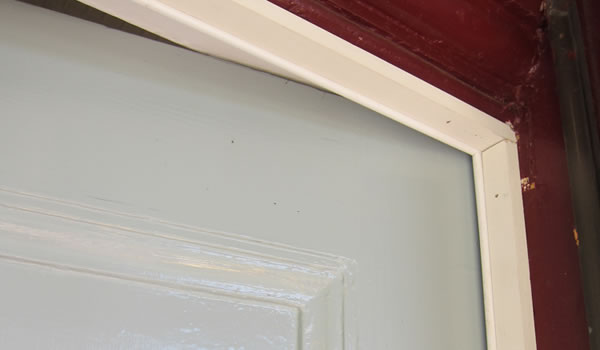
- Weather seals & door sweeps: Low-cost, quick to install, surprisingly effective.
- Curtains that work: Lined, full-height drapes or cellular blinds create an insulating air layer and cut radiant heat from warm glass.
- Fix the “small leaks”: Pet doors, exhausts without back-draft dampers, letterbox flaps - add covers or baffles where practical.
Winter bonus: These same measures reduce draughts and improve cold-weather comfort.
3) Ventilate Strategically (Not Randomly)
Opening windows at the wrong time brings in hot, dry air and raises indoor temperature.
- Night purging: Ventilate when outside air is cooler/drier than indoors (late evening/early morning).
- Cross-flow: Open lower windows on the cool side and upper vents or opposite windows to flush warm air.
- Fans: Ceiling or pedestal fans boost perceived cooling at a fraction of AC energy.
When northerlies are hot and dry, limit intake and rely on fans/AC until the cool change arrives.
4) Upgrade Window Glazing: The Biggest Single Improvement
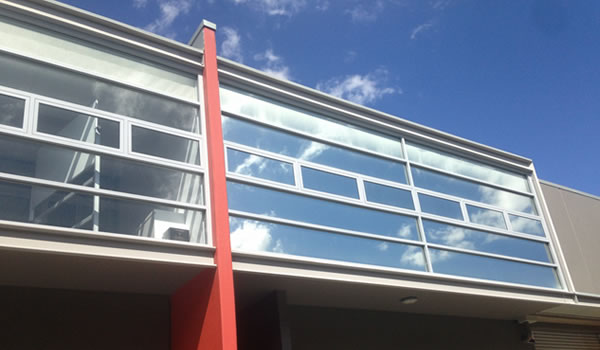
Windows are typically the weakest thermal link. Single panes conduct heat quickly and radiate it into rooms long after sunset. Double glazing window solutions address this with two panes separated by a sealed air (or gas) gap, cutting conductive/convective transfer. Add a low-E coating and you reduce radiant heat too.
Two Options for Existing Homes in Melbourne
Full replacement
Install new double-glazed window units with modern window frames.
- Pros: Maximum design flexibility; can use thermally broken window frames.
- Cons: Higher cost, more disruption; potential heritage/strata constraints.
Retrofit double glazing windows
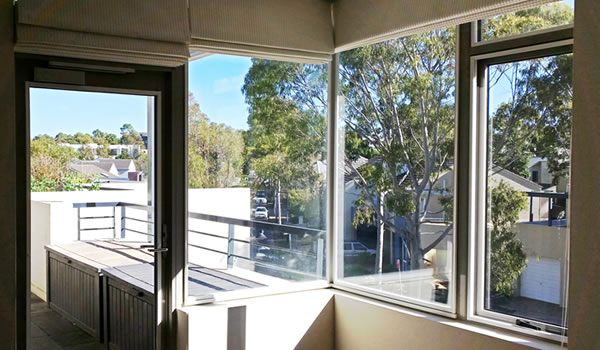
Add a custom secondary panel to the inside of your existing window frame, creating a high-performance air gap without replacing the window.
- Pros: Significant summer heat reduction and winter warmth; excellent for noise (trams, traffic, venues); minimal disruption; suits heritage and apartments.
- Cons: You’re working with the existing frame aesthetics/opening style.
Where solutions like Magnetite fit: Magnetite’s Retrofit double glazing window solution integrates with existing windows to reduce heat transfer and stabilise room temperatures, particularly on west- and north-facing glass. Pairing with quality perimeter seals and (where glare is harsh) solar control film creates a layered solution that keeps rooms cooler for longer and reduces AC runtime.
5) Run Cooling Smarter, Not Harder
Once shading, sealing and glazing are doing their job, your cooling can do less.
- Setpoint: 24–25°C is a sweet spot for comfort and efficiency.
- Zone it: Cool the rooms you’re using; close doors and draw curtains in unused spaces.
- Service: Clean filters and check seals so systems run as intended.
- Fans + AC: Fans let you nudge the thermostat up a degree or two without losing comfort.
Room-by-Room Priorities for Melbourne
West-facing living rooms (the 3–7pm problem)
- External awnings/sails
- Retrofit double glazing windows and lined curtains
- Solar control film if glare is severe
- Ceiling fan to extend comfort window before AC
Street- or tram-facing bedrooms
- Retrofit double glazing windows for heat and noise (sleep better with windows closed)
- Door sweep + lined curtains
- Night purge when air is cooler
Home office (inner-city, near transport)
- Retrofit double glazing windows to cut heat and daytime noise
- Desk fan + zoned cooling
- Cellular blind for daytime solar control
Heritage terraces & period homes
- Internal retrofit window solutions respect façades and sashes
- Sealing around timber windows for draught/heat control
- Layered curtains to reduce radiant heat off glass
Melbourne may be cold now but it’ll get hotter. You’ll feel the biggest difference when you stack solutions: shade the glass, seal the gaps, ventilate at the right times and upgrade the glazing. Done together, these steps turn punishing afternoons into manageable ones and help nights feel like nights again. If you’re navigating heritage or strata constraints, retrofit double glazing windows offer a practical, low-disruption path to cooler, quieter, more comfortable rooms for summer and beyond.
If you’d like guidance on which rooms to prioritise or how to pair glazing with shading for your specific orientation, a local Magnetite specialist can assess your windows and map a staged plan that fits your home, budget and timeline.