
If you’ve found yourself turning up the TV, sleeping with earplugs or waking earlier than you’d prefer thanks to early traffic or bins day, you’re not alone. The good news: you don’t need a major renovation to reclaim the quiet. With the right combination of interior tweaks, smart sealing and targeted window upgrades, you can effectively reduce noise while improving overall comfort - summer and winter.
Below is a practical, Perth-ready plan that will provide immediate results and works for everything from heritage homes in Fremantle and Mount Lawley to coastal apartments in Scarborough and new builds in the northern corridor.
Start Inside: Tame Echo and “Room Noise”
A surprising amount of perceived noise is created inside the home. Hard surfaces - timber or tiled floors, large panes of glass, plasterboard walls, high ceilings - bounce sound around. Conversations feel louder, clatter lingers and even modest outside noise seems amplified.
Begin by softening the room. In open-plan spaces, add a dense rug with a quality underlay (the underlay does more acoustic work than most people expect). Swap light sheers for lined curtains or layer blinds with drapery; in Perth, this also helps with glare and late-afternoon heat. Introduce upholstered pieces, cushions and book-filled shelves to break up reflections. In small offices or media rooms, two or three discreet acoustic panels (or acoustic art) placed at typical reflection points can make a big difference. These changes reduce reverberation, helping outside noise fade into the background rather than reverberate through the space.
Rearrange for Acoustic Advantage
Next, use what you already own as sound buffers. Think mass and position. Full bookcases or tall storage units on street-facing or neighbour-adjoining walls add weight and dampen transmission. If a bedroom faces a busy road, pull the bedhead off the external wall and shift the bed slightly away from the window line if the room allows. In open-plan areas, zone with high-back sofas or sideboards to create quieter pockets for calls, study or reading.
Small adjustments matter: a high-back chair in the right spot can shield you from a specific noise path. Door sweeps or simple seals on internal doors (bedrooms, studies) reduce sound transfer between zones, useful when one person rises early or works late.
Stop Sound at the Gaps (and Cut Draughts While You’re There)
Noise loves shortcuts. Tiny gaps at window sashes, sliding door tracks and architraves act like miniature loudspeakers. If air moves, sound moves. On a breezy afternoon (the Fremantle Doctor is a perfect test), run your hand around frames and sills to feel for leaks. Those are your priority points.
Quality weather and acoustic seals on hinged and sliding windows/doors can sharply reduce both noise and draughts. Treat the small culprits too such as pet doors, exhaust vents and downlight penetrations. Where practical, add covers, baffles or dampers. The payoff is twofold: less whistle and rumble on windy days, plus a tighter, warmer home on cool nights, handy for those winter fronts that roll through Perth.
If you have older sash windows or big aluminium sliders (very common locally), purpose-made sealing systems can improve performance without changing how the window operates or how the façade looks. Sealing is also one of the most budget-friendly noise upgrades you can make, and it prepares the ground for the highest-impact change of all: improving the glazing.
Tackle the Weakest Link: Upgrade the Windows (Without Replacing Them)
Windows are usually the thinnest part of your home’s envelope. Single panes transmit airborne noise easily and shed conditioned air quickly - two issues that show up as living near freeways or rail, dealing with airport traffic in Redcliffe/Ascot/South Guildford or simply trying to keep a coastal home calm on windy evenings.
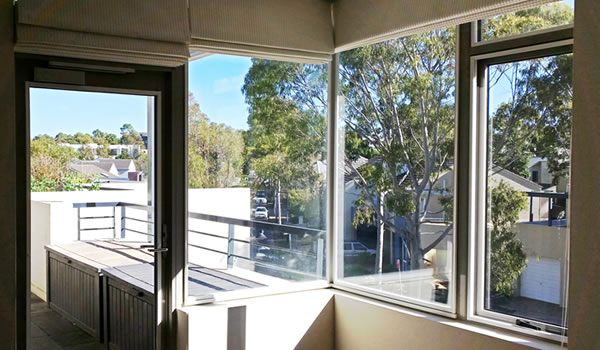
An effective, low-disruption fix is retrofit double glazing windows solutions. Rather than ripping out the existing window, a custom secondary window system is installed to the inside of your windowsill with an optimum air cavity, transforming your single glazed window into a double glazing. That air cavity is the key: it impedes sound transmission and acts as a thermal buffer. In practice, homeowners typically experience a substantial reduction in outside noise (often quoted up to 70%, depending on window type and installation), fewer cold drafts in winter and a noticeable drop in late-afternoon heat gain, especially on west- and north-facing glass.
Retrofit suits Perth housing stock particularly well. Large aluminium sliders and stackers, common in modern builds and coastal properties, are expensive to replace; retrofitting adds performance without touching the frame or finishes. In character pockets (Fremantle, Mount Lawley, Shenton Park), upgrading from the inside preserves street appeal and satisfies heritage sensitivities. And because installation is faster and cleaner than full replacement, disruption is minimal often measured in hours, not weeks.
Pairing retrofit glazing with well-fitted seals around operable parts delivers the biggest step-change in quiet and comfort for most homes.
Room-by-Room Priorities for Perth
Street-facing bedrooms.
Start here for the most immediate lifestyle win. Retrofit glazing, lined curtains and door seals transform sleep quality. If you face an arterial or bus route (e.g., near Thomas Street, Canning Highway or Wanneroo Road), prioritise these rooms first.
Home office.
For hybrid workers, calm equals focus. Retrofit the primary window, add a rug with underlay, and seal the door. One or two acoustic panels at reflection points (behind or beside your monitor) can take the “edge” off calls.
Living areas near corridors.
If you back onto rail or sit close to the Mitchell/Kwinana corridors, target the largest panes first. Retrofit glazing reduces the baseline rumble, while textiles manage the room’s echo.
Coastal rooms.
The Fremantle Doctor brings airflow and sound. Sealing reduces wind-borne noise and dust; glazing stabilises temperature and quiets evening gusts. Consider adding solar-control film to west-facing glass to address heat and glare.
What Results Should You Expect?
Every home is different but patterns emerge. After these changes, most Perth homeowners report that traffic, aircraft and neighbour noise shift from “constant intrusion” to “background texture.” Bedrooms become restful again. The whole house feels calmer because echoes are tamed and leaks are sealed. You may also find the HVAC system runs less often: rooms hold temperature longer after the air-con cycles off and winter mornings feel less stark. With retrofit glazing, many notice far less condensation on cool nights, which helps protect frames and paintwork.
The goal isn’t silence. It’s control i.e. dialling down the noise to a level that makes life at home easier, kinder and more comfortable.
A Simple Plan (Phase It In)
This weekend: add a dense rug and lined curtains to your noisiest room; re-arrange furniture to buffer a street-facing wall; install adhesive door sweeps on bedrooms/studies.
This month: fit quality weather/acoustic seals on key windows and sliders; list your worst-affected rooms (bedrooms first).
This year: retrofit double glazing windows and doors in stages, starting with sleep and work zones, then move to main living areas. Layer in solar-control film on harsh west-facing glass where heat and glare bite.
This phased approach keeps costs manageable and lets you feel the gains at each step.
The Bottom Line
You can’t control Perth’s growth or the noise that comes with it but you can control how your home responds. Soften the room to stop echo. Seal the gaps to block shortcuts. Then upgrade the glazing - the single biggest improvement for lasting quiet and comfort. Done together, these moves create a calmer, more energy-efficient home that works with Perth’s climate and lifestyle rather than against it.
If you’d like tailored double glazed windows recommendations for your place, a local Magnetite Perth specialist can assess your windows, identify the main noise paths and map a staged plan that fits your budget and timeline.
Get in touch today!