
Western Sydney International Airport is set to open for passenger flights on 25 October 2026, and unlike Sydney Airport it has no curfew. If your home is near a flight path, secondary glazing is one of the most practical ways to help reduce the aircraft noise you hear indoors.
For many households in Western Sydney, regular aircraft noise is new. Some homes will hear flights overhead for the first time, and because the airport can operate around the clock, that can include early mornings and late at night.
Will my home be affected by the new flight paths?
Flight path and noise information for the new airport is published on the Australian Government’s WSI flight paths portal at wsiflightpaths.gov.au. It is worth checking whether your home is near a flight path, as how much you hear depends on how close you are to a flight path, the time of day and the type of aircraft.
Why does aircraft noise get in even with the windows shut?
Aircraft noise combines a deep, low-frequency rumble with higher-pitched engine noise. Low-frequency sound travels a long way and passes more easily through the lighter parts of a building. A standard, single glazed window is much lighter than a brick wall, which is why windows are usually the weakest point for noise getting into a home.
Windows aren’t always the only path. Noise can also get in through roofs, vents and gaps under doors. In most homes, though, the window lets through the most noise, so it’s the most practical place to startDoes a no-curfew airport mean more noise at night?
Sydney Airport has a curfew that limits overnight flights. Western Sydney International doesn’t, so homes near its flight paths may hear aircraft at any hour. That makes bedrooms the priority for most households, because nighttime noise is the kind that disrupts sleep.
How do Soundtite and Magnetite secondary windows reduce aircraft noise?
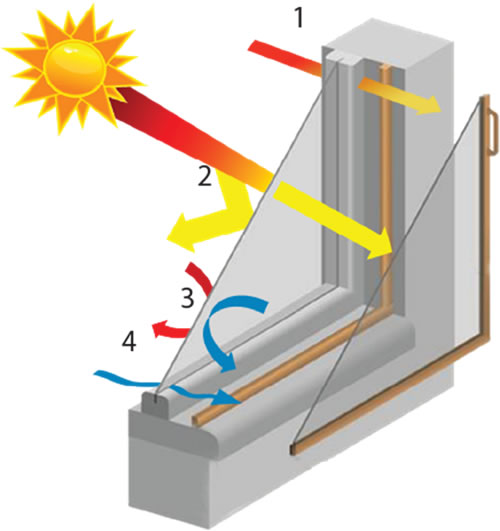
Both systems add a second layer of glazing inside your existing window. They fit onto the sill or reveal in front of your current window, which isn’t removed or altered. The secondary window, the air gap between the two windows and air tight seal around the window work together to reduce the noise reaching the room.
Soundtite uses laminated glass and is designed for low frequency noise including aircraft. For mid to high frequency noise such as general traffic or commuter trains, the Magnetite retrofit double glazing system may be enough. A Magnetite representative can recommend the right option after assessing your existing windows, your location and the type of noise you are trying to reduce.
Which rooms should I start with?
- Bedrooms, especially those facing the flight path
- Home offices and study areas, where noise interrupts concentration
- Living areas where you spend your evenings
- Large windows and sliding doors, where more glass lets in more sound
Frequently asked questions
Will secondary glazing make my home completely soundproof? No, secondary glazing alone will not make a home completely soundproof. Secondary glazing is designed to reduce outside noise coming through windows and doors. How much it reduces depends on the type of noise, the size of the air gap and the system chosen.
Should I wait until flights start before deciding? You don’t have to. Checking the flight paths portal now gives you a sense of what to expect, and an assessment can help you plan which rooms to prioritise.
Do I need approval to install in an apartment or townhouse? Because the existing window stays unaltered and nothing changes on the outside, secondary glazing is often easier for strata properties. Check your strata by-laws before going ahead.
Does it help with heat as well? Yes. The same air gap that reduces noise also slows heat moving through the glass, helping rooms stay more comfortable in summer and winter.
Call to action: Book a free measure and quote with your local Magnetite Sydney team.
Related reading: Retroglaze Solutions for Sydney Homes and The New Home Comfort Priority For Sydney Is Quiet.