
If a room feels cold even when the heater is on, the problem is often not your heating system. It’s heat escaping due to inadequate insulation around your home.
And in most homes, windows are one of the biggest heat-loss points. Glass cools quickly. Small gaps around frames let in too much cold air. Cold surfaces pull warmth out of a room and make the whole space feel less comfortable.
The good news is you don’t need to renovate your entire home to feel a difference. You can improve comfort by upgrading your existing windows and doors.
This guide covers the most effective ways to thermally insulate a window, from quick fixes to longer-term upgrades, plus what to prioritise for the best return.
What Does It Mean to Thermally Insulate a Window?
A well-insulated window does three things:
- Reduces heat transfer through the glazing
Less warmth escapes in winter (and less heat enters in summer). - Minimises air leakage and drafts
Because if air can move through gaps, your warm air will keep escaping. - Improves comfort near the window
Even if the room is heated, cold glass can make a space feel uncomfortable.
Most people don’t actually want “a warmer house” in theory. They want warmer bedrooms at night, fewer cold zones near windows and insulation that feels like it’s working all year round.
Step 1: Identify Where The Heat Is Escaping
Before you spend money, do a simple check:
- Stand near your windows on a cold day. Do you feel a chill near the glass?
- Run your hand around the frame. Can you feel air movement?
- Look for visible gaps in seals or around sliding tracks.
- Notice which rooms feel hardest to keep warm. Those are usually your priority windows.
This is the “no guesses” step. The best outcomes come from improving the windows that are causing the discomfort.
Step 2: Seal Drafts And Air Gaps (The Fastest Win)
Draft sealing is one of the most cost effective first method. If your existing windows leak air, even good heating will feel ineffective.
Start with:
- Weather seals around opening windows
- Brush seals for sliding windows where practical
- Gap sealing in visible frame joints
- Door seals and threshold gaps (often overlooked but related)
Sealing the drafts will make the next upgrade i.e curtains and glazing perform better.
Step 3: Use Window Coverings That Reduce Heat Loss
Window covering won’t “insulate” the window in a technical sense, but it can improve comfort quickly and at relatively low cost.
Best options include:
- Thermal curtains (heavy, lined and close to the wall)
- Honeycomb blinds (designed to trap air in pockets)
- Pelmet or top seal where possible (helps reduce warm air escaping behind curtains)
The key is fit. A small gap at the sides or top can let warm air circulate against cold glass, reducing the benefit it is meant to provide.
Step 4: Improve The Glazing Performance (The Most Effective Long Term Solution)
Even with curtains and seals, a standard single glazed window will lose heat quickly. If you want meaningful improvement, you need a solution that creates a thermal barrier between the inside and outside of your home and improve overall window performance through frame, glazing and seals.
You generally have three options:
Option A: Window Replacement (New Double Glazing)
This can be effective, but it often involves:
- Higher cost
- More disruption
- Changes to frames and external appearance (which can be an issue for heritage or strata)
Option B: Secondary Glazing / Retrofit Double Glazing (Upgrade the Existing Window)
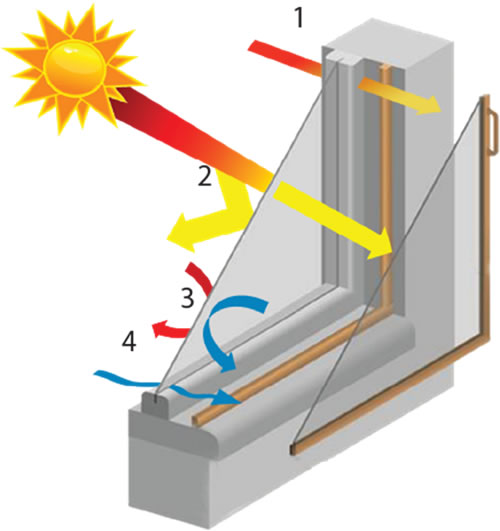
Retrofit double glazing improves window insulation without having to replace existing window. A secondary glazing system is installed on the inside of the existing window reveal, creating an air cavity between the two window systems. That air cavity acts as a thermal barrier that help to reduce heat transfer and eliminate cold coming through. This is an ideal option for older homes, heritage buildings or strata apartments where full replacement is not allowed.
Option C: Window Films (Limited Thermal Impact)
Some films can help with solar control but they do not solve drafts and don’t provide the same insulation benefit as a secondary system with an optimal air cavity.
If the goal is thermal insulation, the standout options are replacement double glazing or a retrofit double glazing system.
Why Retrofit Double Glazing Existing Windows Is Often The Best Choice
Retrofit double glazing improves window insulation without replacing the existing window.
A retrofit double glazing system creates a sealed air cavity between your existing window and the internal glazing panel. That air cavity is the insulation engine. It reduces heat transfer and helps improve comfort.
A critical detail (especially for setting expectations and avoiding confusion):
Magnetite’s retrofit double glazing is installed on the inside of windowsill or reveal, creating a maximum air cavity for best thermal and acoustic insulation. The existing window is not touched or altered.
That means you keep your existing windows in place and upgrade the performance from the inside. For many homes, that’s the sweet spot: insulation improvement without structural changes.
What You’ll Notice When a Window is Properly Insulated
People often expect insulation upgrades to feel subtle. With windows, the difference can be immediate, especially in the rooms you use most.
Common improvements include:
- Rooms feel warmer near the window, not just in the centre
- Less “cold radiating” from glass at night
- More stable temperatures across rooms
- Heating doesn’t feel like it’s constantly chasing comfort
The goal is not to turn your home into a sealed box. It’s to reduce heat loss so your heating is working with the home, not fighting it.
Does Window Insulation Help with Condensation?
Condensation is a big concern in colder climates, and it can be common in many Australian homes.
It’s also one of the trickiest issues to manage because it depends on more than the window:
- indoor humidity
- ventilation
- heating habits
- airflow
- how cold the glass surface gets
Window insulation such as retrofit double glazing can reduce condensation but it won’t eliminate it entirely. When you improve glazing, it helps the glass surface stay warmer as a well-insulated window reduces the temperature difference that causes moisture to condense. However, humidity control remains the key in managing condensation.
To manage condensation effectively:
- use exhaust fans in bathrooms and kitchens
- ventilate when conditions allow
- avoid drying clothes indoors where possible
- consider a dehumidifier if moisture is persistent
This sets the right expectation: insulation helps but condensation needs humidity control too.
The Best “Order Of Operations” For Insulating Windows
If you are looking for effective path that balances cost, disruption and results:
- Seal drafts and gaps
- Add effective window coverings
- Upgrade performance with retrofit double glazing or replacement double glazing
- Prioritise high-impact rooms first (bedrooms, living areas, home office)
You don’t need to do every window at once. Start with the rooms that bother you most. Experience the difference in comfort level. Then expand to the rest of the house if you want to.
Quick FAQ: Thermal Insulation for Existing Windows
What is the cheapest way to thermally insulate a window?
Draft sealing plus thermal curtains is generally the most cost-effective starting point. Both can deliver noticeable improvements when fitted correctly.
What works best long term?
A well insulated glazing system either retrofit double glazing or full replacement double glazing provides the most durable thermal improvement. The air cavity acts a thermal barrier against the heat, cold and noise.
Do I need to replace my windows to get better insulation?
Not always. Retrofit double glazing windows can improve thermal comfort without replacing the existing windows or doors. It is installed on the inside of your existing window reveal without touching the existing window. This is an ideal solution for homes where full replacement isn’t an option.
Will insulating windows reduce my heating bills?
A well insulated window help to reduce heat loss. This means your heating system will work less to maintain a comfortable indoor temperature. The extend of the savings will vary by a home’s construction, window type and usage – but most homes with a single glazed window can see a measurable improvement.
Does window insulation help in summer too?
Yes. A well insulated window reduces heat transfer from both directions, which helps keep indoor space cooler during hot weather.
Thermally insulating a window is not just about one product, but rather a layered approach to improve performance of entire window. If you want the biggest comfort gains:
- start by sealing drafts
- use proper window coverings
- then upgrade your existing window with a solution that improve your entire window performance – glazing, frame and seals.
If you’d like a free measure and quote to get your home ready for winter, get in touch.