
Dealing with Construction Fatigue: How to Reduce Noise from Building Sites

Dealing with Construction Fatigue: How to Reduce Noise from Building Sites

Dealing with Construction Fatigue: How to Reduce Noise from Building Sites

In growing cities like Melbourne and Sydney, construction noise pollution has become a familiar part of daily life. As urban areas expand and more homes and infrastructure are developed, the constant hum of drills, cranes and heavy machinery can lead to “construction fatigue.” Whether it’s a new apartment complex being built next door or major roadworks in your suburb, construction noise can significantly affect your quality of life, productivity, and overall well-being.

What is Construction Fatigue?

Construction fatigue is the stress, frustration and exhaustion that comes from constant exposure to the noise and disruption of nearby building sites.

While construction is crucial for city growth, the ongoing noise from machinery and power tools can significantly affect mental and physical health. Common issues include disturbed sleep, stress, and even hearing problems if the noise is excessive. For many, disrupted sleep leads to lower concentration, reduced productivity, and irritability. If you’re working from home, the constant noise can make focusing or relaxing a real challenge.

What Causes Construction Noise?

Noise from construction sites is often unavoidable due to the nature of the work. Common noise sources include:

  • Heavy Machinery: Bulldozers, cranes and jackhammers are among the loudest culprits. Their operations, often in close proximity to residential areas, can generate significant noise.
  • Demolition Work: Tearing down existing structures produces considerable noise as concrete, wood and metal are broken apart.
  • Power Tools: Drills, saws and grinders, frequently used in construction, emit high-pitched sounds that can travel over long distances.
  • Vehicles: Delivery trucks, cranes, and cement mixers constantly move in and out of construction zones, contributing to the overall noise level.
  • Piling and Excavation: Foundation work and soil excavation create deep, rumbling noises that can be especially disruptive.

Understanding Noise Regulations

In Australia, noise regulations are in place to protect residents from excessive noise during certain times of day. These regulations vary depending on the state and local council. Generally, construction work is limited to specific hours, such as 7 a.m. to 6 p.m. on weekdays and reduced hours on weekends. However, larger projects may have permits to operate beyond these hours, especially for critical infrastructure or high-demand developments.

If construction noise exceeds acceptable limits or occurs outside regulated hours, residents have the right to file complaints with local councils or the Environmental Protection Authority (EPA). However, it’s essential to understand that some level of noise during working hours is considered lawful, and not all complaints may result in immediate action.

How to Reduce Construction Noise

While you may not be able to stop the construction, there are strategies you can use to reduce the impact of noise pollution on your daily life:

1. Soundproof Your Home

One of the most effective ways to reduce construction noise is to improve your home’s sound insulation. Consider the following options:

  • Double Glazing Windows and Doors: Windows and doors are one of the biggest culprits for allowing external noise into your home. Retrofitting your windows and doors with double glazing solutions can significantly reduce the sound entering your living space. Solutions like Magnetite’s retrofit double-glazing system can block out up to 70% of outside noise.
  • Heavy Curtains: Installing thick, soundproof curtains can further dampen sound and help create a more peaceful indoor environment.
  • Acoustic Panels: These panels can be installed on walls or ceilings to absorb sound, making your home quieter and more comfortable.

2. Use White Noise or Noise-Cancelling Devices

White noise machines or apps can be useful in masking construction sounds by creating a consistent, calming background noise. Noise-cancelling headphones are another great option, particularly if you’re trying to work or rest during construction hours.

3. Create a Noise-Free Space

If possible, designate a part of your home as a noise-free sanctuary. This could be a room located far from the construction site where you can relax, work or sleep without constant noise interruption. Adding soft furnishings like carpets, cushions and wall hangings can also help reduce sound reverberation in the room.

4. Plan Your Day Around the Noise

If you know the construction will be loudest during certain times, plan your day accordingly. Schedule errands or work outside the home during peak noise periods or use the quiet hours in the early morning or evening to relax.

5. Communicate with the Builders

If construction is taking place near your home, don’t hesitate to reach out to the builders or site manager. Understanding their schedule can help you plan your days, and if there are specific concerns—such as excessive noise outside regulated hours—communicating with them directly might prompt them to adjust their practices.

6. File a Noise Complaint

If the noise becomes unbearable and violates local noise regulations, you can file a complaint with your local council or the EPA. Provide details of the noise, the time it occurs, and how it’s impacting your life. While this may not offer an immediate solution, it can lead to investigations and possible adjustments to the construction schedule.

Coping with the Psychological Effects

Construction noise can be mentally exhausting, especially if it’s ongoing for months or even years. Taking care of your mental health during this time is crucial. Here are some strategies:

  • Practice Relaxation Techniques: Meditation, deep breathing or yoga can help reduce the stress and tension caused by noise.
  • Spend Time in Quiet Areas: Whether it’s a nearby park, library or a friend’s house, find a quiet space where you can escape the noise for a while each day.
  • Engage in Relaxing Activities: Listening to music, reading or engaging in a hobby can help divert your attention from the noise and reduce its emotional impact.

Living near construction sites can be frustrating, but it’s possible to minimise the effects of noise pollution. By taking steps to soundproof windows and doors, using noise-cancelling devices, and communicating with builders, you can manage construction fatigue more effectively. Above all, remember to take care of your mental well-being during these disruptions and seek out quiet spaces when needed.

If you’d like to know about our double glazed window solutions, speak to the Magnetite expert near you.

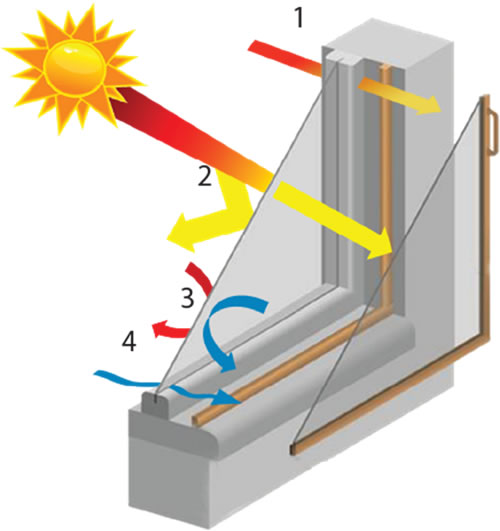
  1. Conduction
    Heat moving through an object (i.e. heat will travel through an aluminium, or steel frame more easily than through a timber or PVC frame).
  2. Radiant heat
    Heat from the direct sun. It can pass through space until reflected or absorbed.
  3. Convection
    Heat flow resulting from air movement e.g. either 'natural' convection - warm air rises, or 'forced' convection - a breeze by a window, both can result in a draught by a window.
  4. Infiltration
    Air leaks around the frame, around the window sash and through the gaps in the movable window parts.

When evaluating your options to improve the thermal performance of your windows, the following double glazing key performance criteria should be considered:

  • U-Value (Uw) represents heat transfer through a window, irrespective of direct sunlight. The lower a window’s U-Value, the better the insulation performance.
  • Solar Heat Gain Coefficient (SHGC) measures the solar energy that passes through glazing. The lower the SHGC, the less solar heat is transmitted through a window.
  • Air Infiltration or leakage measures the rate at which air passes through gaps in window joins and seals. The lower the air infiltration, the better a window’s energy performance.

The Window Energy Rating Scheme (WERS) Thermal Performance

Aluminium Frame Windows

Glazing Type Cooling Stars Heating Stars Cool% Heat% Uw SHGC
Single glazed 3mm clear glass* half blue star red starhalf red star 7.4 0.77
Single glazed 3mm clear glass &
4.5mm Magnetite
blue starblue starhalf blue star red starred starred starred starred starhalf red star 35% 59% 2.9 0.67

Timber Frame Windows

Glazing Type Cooling Stars Heating Stars Cool% Heat% Uw SHGC
Single glazed 3mm clear glass* blue starhalf blue star red starred starred starhalf red star 20% 28% 5.5 0.69
Single glazed 3mm clear glass &
4.5mm Magnetite
blue starblue starhalf blue star red starred starred starred starred starred star 37% 61% 2.6 0.66
Single glazed 3mm clear glass with
Solartite** and 4.5mm Magnetite
blue starblue starblue starblue starblue starblue starhalf blue star red starred starred starred starhalf red star 76% 45% 1.8 0.20


*WERS standard typical industry window
**Solartite is a range of high performance window film. The window tested above has Solartite’s low-e film.


Magnetite vs Traditional Double Glazing – What the experts says

Winter - the ideal situation is to let in as much of the sun's heat and then trap it inside to maintain a comfortable environment in your home or office. This will also significantly reduce heating costs and saves you money. The ideal window for winter will have a high SHGC to let the sun's heat in and a low U-Value to prevent the heat from escaping. Clear windows without shading films are better suited for winter climates.

Compared with traditional double-glazing, Magnetite’s double-glazing solution can provide better results during winter or for cold climate areas such as Canberra, the Adelaide Hills and Blue Mountains.

Magnetite's clear acrylic window panels allow the direct heat from the sun's rays to enter the building and once inside, Magnetite's superior magnetic seals retain the heat, giving Magnetite an advantage over conventional operating windows.

Glazing Type Cooling Stars Heating Stars Cool% Heat% Uw SHGC AI
Double Glazed 3mm clear glass/12mm air
gap/3mm clear glass IGU (Insulated Glass Unit)*
blue starblue starhalf blue star red starred starred starred starred starhalf red star 40% 55% 3.0 0.61 5.0
Single glazed 3mm clear glass &
4.5mm Magnetite
blue starblue starhalf blue star red starred starred starred starred starred star 37% 61% 2.6 0.66 0.5


*WERS standard typical industry window

Summer - the ideal situation is to minimize the heat coming in from outside and prevent the cool air inside from escaping through the window. This will make your home more comfortable and reduce your air-conditioning costs. The ideal window for summer, or for a large west-facing window, will have a low SHGC to limit the heat from the sun's direct rays, as well as, a low U-Value to prevent the heat in the air outside from moving through the window and warming the cool conditioned air inside. It is better to have a shading film on the first (outer) glass pane to limit the heat that enters the double glazed unit.

The combination of Magnetite retrofit double glazing and Solartite outperforms the traditional insulated glass unit for hot climate. Magnetite fit over an existing window with reflective film will give better summer heat control than a double-glazed window with supertoned glass.

The Magnetite system stops the conduction and convection of heat better than glass windows giving superior results for summer conditions. Combined with a film or a shading device, Magnetite is the ideal solution for the hot Australian conditions.

Glazing Type Cooling Stars Heating Stars Cool% Heat% Uw SHGC AI
Double Glazed 5mm Supertoned glass/6mm
air gap/5mm clear glass IGU (Insulated Glass Unit)*
blue starblue starblue starhalf blue star red starred starred starred starhalf red star 54% 425% 3.30 0.461 5.0
Single glazed 3mm glass Solartite**
and 4.5mm Magnetite
blue starblue starblue starblue starblue starhalf blue star red starred starred starred star 73% 38% 2.4 0.19 0.5


*WERS standard typical industry window
**Solartite is a range of high performance window film. The window tested above has Solartite’s low-e film.

Click here to view pdf version of Magnetite WERS test result.

Noise Reduction Technical Data and Results

Proven Results

Noise pollution is one the biggest problems faced in the cities today, particularly in a high-density living. Unwanted noise can be responsible for sleep loss and lack of concentration. This can lead to a deterioration of health through increased stress levels, headaches, high blood pressure and loss of hearing.

Noise penetrates windows through leaky seals or vibrations through the window structure. To reduce noise, a window should minimise air infiltration, hold enough weight to limit vibration and allow a large air cavity. This cavity, or air gap, is the key to secondary glazing.

Expert Advice:

CSIRO Research by John Davy shown an air cavity can effectively enhance sound insulation performance. The larger the air cavity the more noise the window system can reduce. Results show a wide air gap of 100-125mm will improve sound insulation by an average of 7dB(A) more than windows with a narrow gap of 8-13mm.

Window or Glass Door Type Total Glass Thickness (mm) Air Cavity Thickness (mm) Sound Insulation (dB)
Single Glaze 3mm 3 0 23
Single Glaze 6mm 6 0 27
Double Glaze Narrow Gap 9-12 8-13 31
Double Glaze Wide Gap 9-12 100-125 38


The human ear is less sensitive to low frequency sound. According to a study released by the CSIRO, the human ear needs a change of 3dB to detect a difference in noise levels and the human ear perceives a change of 10dB as a doubling or halving of the noise level.

If you double the thickness of glass in a window the noise level will decrease by 3dB the least amount possible to make a difference. If the glass is laminated there is no perceived difference in noise reduction.

National Acoustic Laboratory Testing:

Working with the principles of noise transfer, Magnetite® and Soundtite are designed for high performance, which is achieved by combining air tight seals with the ability to maximize an air cavity and the flexibility to vary glazing thickness to suit. Magnetite® is excellent at reducing general noise such as busy roads, commuter trains and noisy neighbours. Whereas, Soundtite works well to combat low frequencies noise such as garbage truck, freight trains or airplane during take-off and landing.

Test Code Material Tested Rw* Improvement
ATF 707 (test window) Aluminium sliding window, 3mm float glass with mohair seals 23 N/A
ATF 709 Test window, 100mm air gap and Magnetite System (4.5mm acrylic panel) 35 52%
ATF 1507 Test window, 100mm air gap and Magnetite System (10.0mm acrylic panel) 39 70%
ATF 817 Test window, 100mm air gap and Soundtite (6.38mm laminated glass) 41 78%


*The Weighted Sound Reduction Index (Rw) is a measure for sound insulation performance of a single building element such as windows. The higher the Rw rating, the better the sound insulation.