What to Ask When Buying Double Glazing?

What to Ask When Buying Double Glazing

What to Ask When Buying Double Glazing?

Investing in double glazing is a smart decision for homeowners looking to reduce noise, improve thermal comfort and energy efficiency. However, there are various types of double-glazed windows in the market and choosing the right product requires careful consideration.

Before making a purchase, it’s important to gather the right information to ask the right questions to ensure you’re getting a high-quality, long-lasting solution that meets your needs. We’ll cover the key questions to ask when buying double glazing, helping you make an informed choice.

What Type of Double Glazing Do You Offer? 

Not all double-glazing systems are the same, so understanding the available options is important. Ask about:

  • Standard Double Glazing – Two panes of glass on the same frame separated by a narrow air cavity or a gas-filled space between them.
  • Low-E (Low Emissivity) Glass – Has a special coating on the glass panel to improve thermal insulation.
  • Laminated or Acoustic Glass – Designed for enhanced noise reduction.
  • Retrofit Double Glazing – A system that converts existing windows into a double-glazed system without full replacement.

If you want to keep your current windows while improving insulation and soundproofing, retrofit double glazing could be a cost-effective alternative to full window replacement.

What Type of Frame Materials Are Available?

The frame material impacts durability, insulation performance, and maintenance requirements. Ask about the pros and cons of different frame types:

Frame Material Pros Cons
uPVC Energy-efficient, low maintenance and cost-effective. Can discolour over time in harsh climates.
Aluminium Strong, lightweight and modern-looking. Conducts heat unless thermally broken.
Timber Provides excellent insulation and classic aesthetics. Requires regular maintenance and can be expensive.

If you are considering retrofitting double glazing, ensure the existing window frame is in good condition and suitable for the upgrade.

How Effective Is the Noise Reduction?

If you live near traffic, construction sites or noisy neighbours, noise reduction may be a top priority. Ask about:

  • How much noise reduction can I expect? (Some systems reduce external noise by up to 70%.)
  • What type of glass is best for soundproofing? (Acoustic laminated glass performs best)
  • Will retrofitting double glazing suit better in a certain situation? (For strata or heritage buildings, retrofitting double glazing is ideal as no changes are required to the exterior of the building)

Ensure that the system is tested for soundproofing performance before making a decision.

How Energy Efficient Is Double Glazing?

Other advantages to double glazing include its ability to improve thermal insulation and reduce energy consumption. Ask about:

  • What is the U-value of the windows? (A lower U-value means better insulation)
  • Is the air cavity filled with argon or krypton gas? (These gases are used to enhance energy efficiency in traditional double glazing)
  • Does the system include Low-E coatings glass? (This helps reflect extreme heat)

Energy-efficient double glazing can help keep your home cooler in summer and warmer in winter, minimising the use of heating and cooling systems.

What Are the Warranty and After-Sales Services?

A reasonable warranty period is a sign of a high-quality product. Ask the provider:

  • What is the warranty period? (A minimum of 6 years is the requirement from the Australian Glass and Window Association)
  • What does the warranty cover? (Generally, glass, frames, seals, and installation should all be included)
  • Do you provide after-sales support? (This is important for maintenance and repairs)

Ensuring strong after-sales service can give you peace of mind for years to come.

What Is the Installation Process Like?

A professional installation is key to getting the most out of your double glazing. Poorly installed windows can cause air leaks, condensation issues and reduced insulation performance. Ask about:

  • How long will the installation take?
  • Will there be any mess or disruption?
  • Do I need to prepare anything before installation?
  • Are the installation team contractors or in-house and are they experienced/trained?

For those considering retrofitting double glazing, the installation process tends to be quicker and less disruptive as no hassle of replacement window.

What Is the Total Cost?

Understanding the full cost breakdown is essential to avoid hidden charges. Things to find out:

  • Whether the quote includes installation or labour?
  • A cost comparison between full window replacement and retrofit double glazing.
  • Financing options or government rebates for energy-efficient upgrades.

While cheaper options may seem attractive, investing in high-quality double glazing ensures better performance and durability in the long run.

Can Double Glazing Help With Condensation?

Condensation on windows can lead to mould growth and damage to furnishings. If you experience condensation, here are things to find out:

  • Does this system help reduce condensation?
  • Will I need additional ventilation measures?

Double glazing with proper seals and insulation can help to minimise condensation issues.

Is the Double-Glazing System Environmentally Friendly?

Sustainability is an important consideration. Ask:

  • Are the materials recyclable?
  • Do you have an energy efficiency rating?
  • Do you offer eco-friendly options like Low-E glass?

What Makes Your Double Glazing Different?

    Finally, find out why you should choose this company over competitors. Look for:

    • Independently tested and certified products.
    • Proven customer reviews and case studies.
    • Customisation options to fit your needs.

    Why Choose Magnetite for Your Double-Glazing Needs?

    If you’re searching for high-quality double glazing solutions, Magnetite provides:

    • Retrofit double glazing, transforming your existing windows into a double-glazed system without having to replace your window or door.
    • Up to 70% noise reduction through the windows or doors, perfect for homes in high-traffic or urban areas.
    • Energy-efficient solutions to reduce power bills and maintain indoor comfort.
    • Custom glazing options, tailored to suit your specific needs.
    • Over 25 years of experience in the window industry, installation is delivered by our in-house team of trained installers, and it comes with a 7-year warranty on the workmanship.
    • Free window assessments and quotes, with our experts visiting your home to assess your existing windows and recommend the best solution to suit your requirements.

    Choosing the right double glazing will not only improve your home’s comfort and reduce energy costs but also enhance the long-term value of your property.

    Asking the right questions before purchasing double glazing ensures you get a high-performance system that suits your needs. By considering factors such as noise reduction, energy efficiency, frame materials and installation quality, you can make a confident and informed decision.

    Whether you’re retrofitting double glazing or considering a full replacement, making the right choice today will provide lasting benefits for years to come.

    Interested in learning more? Get a free consultation with Magnetite today.

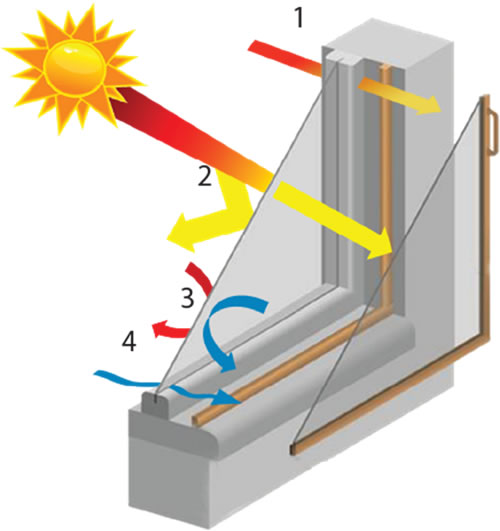
    1. Conduction
      Heat moving through an object (i.e. heat will travel through an aluminium, or steel frame more easily than through a timber or PVC frame).
    2. Radiant heat
      Heat from the direct sun. It can pass through space until reflected or absorbed.
    3. Convection
      Heat flow resulting from air movement e.g. either 'natural' convection - warm air rises, or 'forced' convection - a breeze by a window, both can result in a draught by a window.
    4. Infiltration
      Air leaks around the frame, around the window sash and through the gaps in the movable window parts.

    When evaluating your options to improve the thermal performance of your windows, the following double glazing key performance criteria should be considered:

    • U-Value (Uw) represents heat transfer through a window, irrespective of direct sunlight. The lower a window’s U-Value, the better the insulation performance.
    • Solar Heat Gain Coefficient (SHGC) measures the solar energy that passes through glazing. The lower the SHGC, the less solar heat is transmitted through a window.
    • Air Infiltration or leakage measures the rate at which air passes through gaps in window joins and seals. The lower the air infiltration, the better a window’s energy performance.

    The Window Energy Rating Scheme (WERS) Thermal Performance

    Aluminium Frame Windows

    Glazing Type Cooling Stars Heating Stars Cool% Heat% Uw SHGC
    Single glazed 3mm clear glass* half blue star red starhalf red star 7.4 0.77
    Single glazed 3mm clear glass &
    4.5mm Magnetite
    blue starblue starhalf blue star red starred starred starred starred starhalf red star 35% 59% 2.9 0.67

    Timber Frame Windows

    Glazing Type Cooling Stars Heating Stars Cool% Heat% Uw SHGC
    Single glazed 3mm clear glass* blue starhalf blue star red starred starred starhalf red star 20% 28% 5.5 0.69
    Single glazed 3mm clear glass &
    4.5mm Magnetite
    blue starblue starhalf blue star red starred starred starred starred starred star 37% 61% 2.6 0.66
    Single glazed 3mm clear glass with
    Solartite** and 4.5mm Magnetite
    blue starblue starblue starblue starblue starblue starhalf blue star red starred starred starred starhalf red star 76% 45% 1.8 0.20


    *WERS standard typical industry window
    **Solartite is a range of high performance window film. The window tested above has Solartite’s low-e film.


    Magnetite vs Traditional Double Glazing – What the experts says

    Winter - the ideal situation is to let in as much of the sun's heat and then trap it inside to maintain a comfortable environment in your home or office. This will also significantly reduce heating costs and saves you money. The ideal window for winter will have a high SHGC to let the sun's heat in and a low U-Value to prevent the heat from escaping. Clear windows without shading films are better suited for winter climates.

    Compared with traditional double-glazing, Magnetite’s double-glazing solution can provide better results during winter or for cold climate areas such as Canberra, the Adelaide Hills and Blue Mountains.

    Magnetite's clear acrylic window panels allow the direct heat from the sun's rays to enter the building and once inside, Magnetite's superior magnetic seals retain the heat, giving Magnetite an advantage over conventional operating windows.

    Glazing Type Cooling Stars Heating Stars Cool% Heat% Uw SHGC AI
    Double Glazed 3mm clear glass/12mm air
    gap/3mm clear glass IGU (Insulated Glass Unit)*
    blue starblue starhalf blue star red starred starred starred starred starhalf red star 40% 55% 3.0 0.61 5.0
    Single glazed 3mm clear glass &
    4.5mm Magnetite
    blue starblue starhalf blue star red starred starred starred starred starred star 37% 61% 2.6 0.66 0.5


    *WERS standard typical industry window

    Summer - the ideal situation is to minimize the heat coming in from outside and prevent the cool air inside from escaping through the window. This will make your home more comfortable and reduce your air-conditioning costs. The ideal window for summer, or for a large west-facing window, will have a low SHGC to limit the heat from the sun's direct rays, as well as, a low U-Value to prevent the heat in the air outside from moving through the window and warming the cool conditioned air inside. It is better to have a shading film on the first (outer) glass pane to limit the heat that enters the double glazed unit.

    The combination of Magnetite retrofit double glazing and Solartite outperforms the traditional insulated glass unit for hot climate. Magnetite fit over an existing window with reflective film will give better summer heat control than a double-glazed window with supertoned glass.

    The Magnetite system stops the conduction and convection of heat better than glass windows giving superior results for summer conditions. Combined with a film or a shading device, Magnetite is the ideal solution for the hot Australian conditions.

    Glazing Type Cooling Stars Heating Stars Cool% Heat% Uw SHGC AI
    Double Glazed 5mm Supertoned glass/6mm
    air gap/5mm clear glass IGU (Insulated Glass Unit)*
    blue starblue starblue starhalf blue star red starred starred starred starhalf red star 54% 425% 3.30 0.461 5.0
    Single glazed 3mm glass Solartite**
    and 4.5mm Magnetite
    blue starblue starblue starblue starblue starhalf blue star red starred starred starred star 73% 38% 2.4 0.19 0.5


    *WERS standard typical industry window
    **Solartite is a range of high performance window film. The window tested above has Solartite’s low-e film.

    Click here to view pdf version of Magnetite WERS test result.

    Noise Reduction Technical Data and Results

    Proven Results

    Noise pollution is one the biggest problems faced in the cities today, particularly in a high-density living. Unwanted noise can be responsible for sleep loss and lack of concentration. This can lead to a deterioration of health through increased stress levels, headaches, high blood pressure and loss of hearing.

    Noise penetrates windows through leaky seals or vibrations through the window structure. To reduce noise, a window should minimise air infiltration, hold enough weight to limit vibration and allow a large air cavity. This cavity, or air gap, is the key to secondary glazing.

    Expert Advice:

    CSIRO Research by John Davy shown an air cavity can effectively enhance sound insulation performance. The larger the air cavity the more noise the window system can reduce. Results show a wide air gap of 100-125mm will improve sound insulation by an average of 7dB(A) more than windows with a narrow gap of 8-13mm.

    Window or Glass Door Type Total Glass Thickness (mm) Air Cavity Thickness (mm) Sound Insulation (dB)
    Single Glaze 3mm 3 0 23
    Single Glaze 6mm 6 0 27
    Double Glaze Narrow Gap 9-12 8-13 31
    Double Glaze Wide Gap 9-12 100-125 38


    The human ear is less sensitive to low frequency sound. According to a study released by the CSIRO, the human ear needs a change of 3dB to detect a difference in noise levels and the human ear perceives a change of 10dB as a doubling or halving of the noise level.

    If you double the thickness of glass in a window the noise level will decrease by 3dB the least amount possible to make a difference. If the glass is laminated there is no perceived difference in noise reduction.

    National Acoustic Laboratory Testing:

    Working with the principles of noise transfer, Magnetite® and Soundtite are designed for high performance, which is achieved by combining air tight seals with the ability to maximize an air cavity and the flexibility to vary glazing thickness to suit. Magnetite® is excellent at reducing general noise such as busy roads, commuter trains and noisy neighbours. Whereas, Soundtite works well to combat low frequencies noise such as garbage truck, freight trains or airplane during take-off and landing.

    Test Code Material Tested Rw* Improvement
    ATF 707 (test window) Aluminium sliding window, 3mm float glass with mohair seals 23 N/A
    ATF 709 Test window, 100mm air gap and Magnetite System (4.5mm acrylic panel) 35 52%
    ATF 1507 Test window, 100mm air gap and Magnetite System (10.0mm acrylic panel) 39 70%
    ATF 817 Test window, 100mm air gap and Soundtite (6.38mm laminated glass) 41 78%


    *The Weighted Sound Reduction Index (Rw) is a measure for sound insulation performance of a single building element such as windows. The higher the Rw rating, the better the sound insulation.