
Why Better Noise Reduction Starts with Better Window Design

Why Better Noise Reduction Starts with Better Window Design

Why Better Noise Reduction Starts with Better Window Design

When people think about a quieter home or workplace, they often think about location first. The busy road. The nearby rail line. The aircraft overhead. The neighbour whose routine never seems to match yours.

But noise control is rarely just about what is happening outside. More often, it comes down to how well your building manages what it lets in.

Windows are typically the greatest source of noise penetration in a building or home. If outside noise is disrupting sleep, concentration or day-to-day comfort, the window system is often the first and most important place to assess.

Noise Reduction Is Not About Blocking Everything. It Is About Controlling What Gets Through.

There is a common misconception that soundproofing is simply about adding thicker glass. In reality, effective noise reduction is more nuanced than that.

Sound enters through windows in two main ways:

  • through air leaks
  • through vibration transfer

That means a high-performing noise reduction window solution needs to do more than add another layer. It needs to reduce air infiltration, limit vibration and create the right conditions to buffer sound before it reaches the interior space.

This is where many standard windows fall short, especially older systems. Even when a window looks perfectly serviceable, small gaps, ageing seals and limited insulation performance can all contribute to a much noisier indoor environment than people realise. And that is why the best acoustic improvements often come not from replacing everything but from improving how the existing window performs.

The Real Principle Behind Acoustic Performance: The Air Cavity

One of the most important and often overlooked elements in window soundproofing is the air cavity.

A well-designed secondary glazing window system creates a buffer zone between the existing window and the secondary panel. That air space helps reduce sound transfer, acting as part of the acoustic barrier rather than relying on the original window alone.

The size of that cavity matters. Research shows that larger air cavities improve sound insulation performance and that a wide air gap of 100–125mm can improve sound insulation by an average of 7dB(A) more than windows with a narrow 8–13mm gap.

That is not a small technical detail. It is a key reason some window systems deliver meaningful acoustic results while others make only a marginal difference. In practical terms, the air cavity gives noise more distance and more resistance before it enters the room. When combined with airtight sealing and the appropriate glazing thickness, it becomes a far more effective noise control strategy than basic, narrow-gap alternatives.

Why Airtightness Matters Just As Much As Glazing

If air can pass through a window system, noise will usually follow.

That is why acoustic performance is not just about the glazing material. It is also about the seal. To reduce noise, a window should minimise air leaks, hold enough weight to limit vibration and allow a large air cavity to act as barrier. This air cavity is the key to the secondary glazing system.

This is especially important in real buildings, where performance is shaped by practical conditions:

  • older window frames
  • minor gaps around existing windows
  • different noise frequencies from different environments
  • varying room uses, from bedrooms to offices to living areas

The strength of a retrofit double glazing window solution is that it can create an optimal air cavity to suit your situation, while providing the best possible results.

Not All Noise Behaves The Same Way

One of the biggest mistakes in acoustic thinking is treating all noise as though it behaves identically.

It does not.

General environmental noise such as busy roads, commuter trains and neighbours, behaves differently to lower-frequency noise such as freight trains, garbage trucks or aircraft during take-off and landing. That is why acoustic design should never be one-size-fits-all. Different noise profiles call for different combinations of glazing thickness, air cavity, and sealing.

This is where product design matters.

A secondary glazing window system that allows flexibility in glazing thickness and maximises the acoustic air cavity gives far more control over performance than a fixed, generic solution. It means the response can be better matched to the actual acoustic challenge rather than treated as a cosmetic upgrade.

That is a more intelligent way to think about soundproofing: not as a blanket promise of silence, but as an engineered response to how sound behaves in the real world.

Proven Performance

The conversation around acoustic comfort is full of vague promises. “Quieter.” “Calmer.” “More peaceful.” Those words may be true in a broad sense, but without performance data behind them, they do not mean much.

That is why independently tested performance matters.

Our published acoustic data notes that its systems have been independently tested by the National Acoustic Laboratories in line with National Fenestration Rating Council regulations, with published performance results showing noise reduction through windows or doors of up to 70% for the Magnetite secondary glazing solution.

The technical data also shows:

  • a test window with a 100mm air gap and a 4.5mm acrylic panel reached an Rw of 35, a 52% improvement
  • a test window with a 100mm air gap and a 10.0mm acrylic panel reached an Rw of 39, a 70% improvement
  • a test window with a 100mm air gap and a Soundtite system with 6.38mm laminated glass reached an Rw of 41, a 78% improvement in that test configuration

For a product like Soundtite specifically, testing has demonstrated an acoustic rating of Rw42 when used with 6.38mm glass and a 100mm air cavity, with higher performance possible by increasing the glass thickness or air cavity further.

This matters because good acoustic/soundproofing design should be measurable. It should be based on performance principles and tested outcomes, not assumptions.

Why Retrofit Secondary Glazing Windows Makes Strategic Sense

For many homes and buildings, the goal is not simply better noise reduction. It is better noise reduction without the cost, mess and disruption of full window replacement.

That is where retrofit secondary glazing window solutions have a clear advantage.

By working with the existing window and adding a high-performing internal system, it is possible to improve acoustic comfort while retaining the existing façade and minimising structural disruption. Magnetite’s retrofit double glazing solution is designed to work with existing windows, doors, skylights and other glazed areas, while being installed on the inside of the existing windowsill.

This is a practical advantage for:

  • residential homes
  • strata properties
  • offices
  • heritage-listed buildings
  • commercial fit outs where appearance and performance matter

It also reflects a broader shift in building improvement planning: upgrading performance without unnecessary replacement.

In that sense, acoustic retrofit is not just a comfort decision. It is a smarter asset decision.

When windows are treated as a performance element rather than a fixed limitation, the result is not just less noise. It is better comfort, better usability, and a building that works harder for the people inside it.

And in many cases, that transformation starts not with replacing the whole window, but with making the existing one perform the way it should have all along.

Get in touch with us for a free measure and quote.

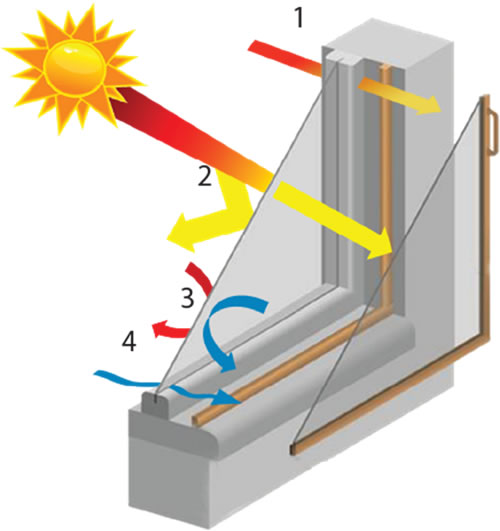
  1. Conduction
    Heat moving through an object (i.e. heat will travel through an aluminium, or steel frame more easily than through a timber or PVC frame).
  2. Radiant heat
    Heat from the direct sun. It can pass through space until reflected or absorbed.
  3. Convection
    Heat flow resulting from air movement e.g. either 'natural' convection - warm air rises, or 'forced' convection - a breeze by a window, both can result in a draught by a window.
  4. Infiltration
    Air leaks around the frame, around the window sash and through the gaps in the movable window parts.

When evaluating your options to improve the thermal performance of your windows, the following double glazing key performance criteria should be considered:

  • U-Value (Uw) represents heat transfer through a window, irrespective of direct sunlight. The lower a window’s U-Value, the better the insulation performance.
  • Solar Heat Gain Coefficient (SHGC) measures the solar energy that passes through glazing. The lower the SHGC, the less solar heat is transmitted through a window.
  • Air Infiltration or leakage measures the rate at which air passes through gaps in window joins and seals. The lower the air infiltration, the better a window’s energy performance.

The Window Energy Rating Scheme (WERS) Thermal Performance

Aluminium Frame Windows

Glazing Type Cooling Stars Heating Stars Cool% Heat% Uw SHGC
Single glazed 3mm clear glass* half blue star red starhalf red star 7.4 0.77
Single glazed 3mm clear glass &
4.5mm Magnetite
blue starblue starhalf blue star red starred starred starred starred starhalf red star 35% 59% 2.9 0.67

Timber Frame Windows

Glazing Type Cooling Stars Heating Stars Cool% Heat% Uw SHGC
Single glazed 3mm clear glass* blue starhalf blue star red starred starred starhalf red star 20% 28% 5.5 0.69
Single glazed 3mm clear glass &
4.5mm Magnetite
blue starblue starhalf blue star red starred starred starred starred starred star 37% 61% 2.6 0.66
Single glazed 3mm clear glass with
Solartite** and 4.5mm Magnetite
blue starblue starblue starblue starblue starblue starhalf blue star red starred starred starred starhalf red star 76% 45% 1.8 0.20


*WERS standard typical industry window
**Solartite is a range of high performance window film. The window tested above has Solartite’s low-e film.


Magnetite vs Traditional Double Glazing – What the experts says

Winter - the ideal situation is to let in as much of the sun's heat and then trap it inside to maintain a comfortable environment in your home or office. This will also significantly reduce heating costs and saves you money. The ideal window for winter will have a high SHGC to let the sun's heat in and a low U-Value to prevent the heat from escaping. Clear windows without shading films are better suited for winter climates.

Compared with traditional double-glazing, Magnetite’s double-glazing solution can provide better results during winter or for cold climate areas such as Canberra, the Adelaide Hills and Blue Mountains.

Magnetite's clear acrylic window panels allow the direct heat from the sun's rays to enter the building and once inside, Magnetite's superior magnetic seals retain the heat, giving Magnetite an advantage over conventional operating windows.

Glazing Type Cooling Stars Heating Stars Cool% Heat% Uw SHGC AI
Double Glazed 3mm clear glass/12mm air
gap/3mm clear glass IGU (Insulated Glass Unit)*
blue starblue starhalf blue star red starred starred starred starred starhalf red star 40% 55% 3.0 0.61 5.0
Single glazed 3mm clear glass &
4.5mm Magnetite
blue starblue starhalf blue star red starred starred starred starred starred star 37% 61% 2.6 0.66 0.5


*WERS standard typical industry window

Summer - the ideal situation is to minimize the heat coming in from outside and prevent the cool air inside from escaping through the window. This will make your home more comfortable and reduce your air-conditioning costs. The ideal window for summer, or for a large west-facing window, will have a low SHGC to limit the heat from the sun's direct rays, as well as, a low U-Value to prevent the heat in the air outside from moving through the window and warming the cool conditioned air inside. It is better to have a shading film on the first (outer) glass pane to limit the heat that enters the double glazed unit.

The combination of Magnetite retrofit double glazing and Solartite outperforms the traditional insulated glass unit for hot climate. Magnetite fit over an existing window with reflective film will give better summer heat control than a double-glazed window with supertoned glass.

The Magnetite system stops the conduction and convection of heat better than glass windows giving superior results for summer conditions. Combined with a film or a shading device, Magnetite is the ideal solution for the hot Australian conditions.

Glazing Type Cooling Stars Heating Stars Cool% Heat% Uw SHGC AI
Double Glazed 5mm Supertoned glass/6mm
air gap/5mm clear glass IGU (Insulated Glass Unit)*
blue starblue starblue starhalf blue star red starred starred starred starhalf red star 54% 425% 3.30 0.461 5.0
Single glazed 3mm glass Solartite**
and 4.5mm Magnetite
blue starblue starblue starblue starblue starhalf blue star red starred starred starred star 73% 38% 2.4 0.19 0.5


*WERS standard typical industry window
**Solartite is a range of high performance window film. The window tested above has Solartite’s low-e film.

Click here to view pdf version of Magnetite WERS test result.

Noise Reduction Technical Data and Results

Proven Results

Noise pollution is one the biggest problems faced in the cities today, particularly in a high-density living. Unwanted noise can be responsible for sleep loss and lack of concentration. This can lead to a deterioration of health through increased stress levels, headaches, high blood pressure and loss of hearing.

Noise penetrates windows through leaky seals or vibrations through the window structure. To reduce noise, a window should minimise air infiltration, hold enough weight to limit vibration and allow a large air cavity. This cavity, or air gap, is the key to secondary glazing.

Expert Advice:

CSIRO Research by John Davy shown an air cavity can effectively enhance sound insulation performance. The larger the air cavity the more noise the window system can reduce. Results show a wide air gap of 100-125mm will improve sound insulation by an average of 7dB(A) more than windows with a narrow gap of 8-13mm.

Window or Glass Door Type Total Glass Thickness (mm) Air Cavity Thickness (mm) Sound Insulation (dB)
Single Glaze 3mm 3 0 23
Single Glaze 6mm 6 0 27
Double Glaze Narrow Gap 9-12 8-13 31
Double Glaze Wide Gap 9-12 100-125 38


The human ear is less sensitive to low frequency sound. According to a study released by the CSIRO, the human ear needs a change of 3dB to detect a difference in noise levels and the human ear perceives a change of 10dB as a doubling or halving of the noise level.

If you double the thickness of glass in a window the noise level will decrease by 3dB the least amount possible to make a difference. If the glass is laminated there is no perceived difference in noise reduction.

National Acoustic Laboratory Testing:

Working with the principles of noise transfer, Magnetite® and Soundtite are designed for high performance, which is achieved by combining air tight seals with the ability to maximize an air cavity and the flexibility to vary glazing thickness to suit. Magnetite® is excellent at reducing general noise such as busy roads, commuter trains and noisy neighbours. Whereas, Soundtite works well to combat low frequencies noise such as garbage truck, freight trains or airplane during take-off and landing.

Test Code Material Tested Rw* Improvement
ATF 707 (test window) Aluminium sliding window, 3mm float glass with mohair seals 23 N/A
ATF 709 Test window, 100mm air gap and Magnetite System (4.5mm acrylic panel) 35 52%
ATF 1507 Test window, 100mm air gap and Magnetite System (10.0mm acrylic panel) 39 70%
ATF 817 Test window, 100mm air gap and Soundtite (6.38mm laminated glass) 41 78%


*The Weighted Sound Reduction Index (Rw) is a measure for sound insulation performance of a single building element such as windows. The higher the Rw rating, the better the sound insulation.